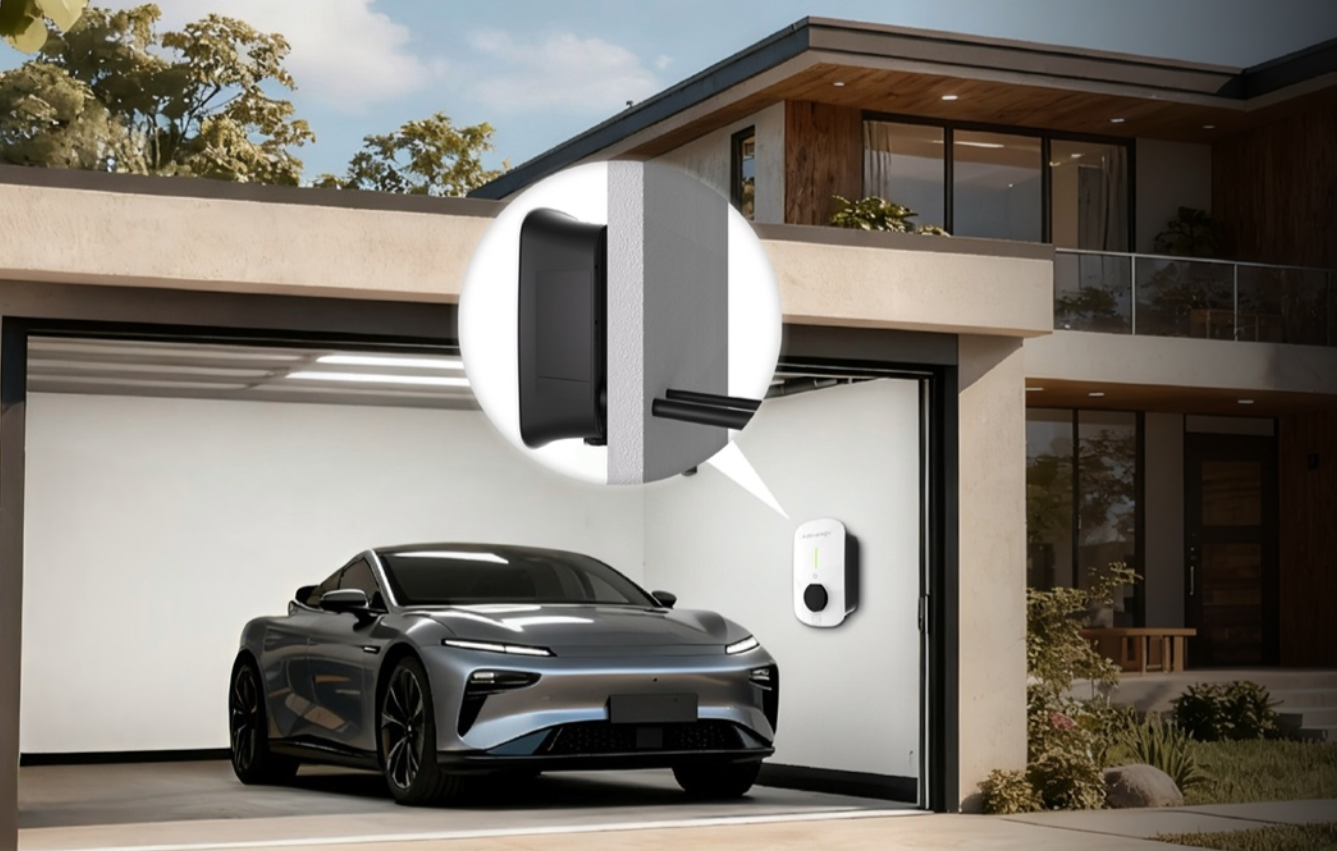
Investing in an EV solar charger represents a significant commitment to sustainable transportation and renewable energy integration. Before making this important decision, homeowners should carefully prepare and evaluate several critical factors. Understanding these three essential preparations ensures your EV solar charger investment delivers maximum value and long-term satisfaction.
1. Evaluate Your Solar Generation Capacity
The foundation of successful EV solar charging depends on adequate solar panel capacity to meet both household energy needs and vehicle charging demands. Before investing in an EV solar charger, carefully assess your current solar generation and determine if expansion is necessary. Calculate your household’s daily electricity consumption, then add your vehicle’s expected charging requirements. Most electric vehicles require 20-30 kilowatt-hours daily for full charging.
Consult with solar professionals to determine if your existing system can support vehicle charging without compromising household power supply. Many homeowners require solar panel expansion to achieve reliable solar-powered EV charging. This assessment prevents disappointing performance and ensures your EV solar charger receives sufficient renewable energy for consistent operation.
2. Verify Your Electrical Infrastructure
Your home’s electrical system must support EV solar charger installation before purchasing equipment. Assess available circuit capacity, verify your electrical panel has sufficient capacity for new circuits, and confirm that ground wiring meets current safety standards. Older homes often require electrical upgrades to safely accommodate solar chargers without overloading existing systems.
Professional electricians can evaluate your specific electrical infrastructure and identify necessary modifications. This pre-investment assessment prevents costly surprises during installation and ensures safe, reliable operation. Many properties need panel upgrades or dedicated circuits before EV solar charger installation becomes possible.
3. Understand Installation Space and Requirements
Identify optimal EV solar charger installation locations before purchasing equipment. Evaluate garage space, wall mounting options, and proximity to both solar panels and your vehicle’s charging port. Verify that installation locations align with electrical and safety code requirements, providing adequate ventilation and weatherproofing.
Consider aesthetic factors and potential future modifications that might affect charger placement. Planning installation logistics beforehand prevents installation delays and ensures your EV solar charger placement maximizes convenience and efficiency.
Conclusion
Preparing adequately before investing in an EV solar charger ensures successful, satisfying implementation of renewable vehicle charging. Sigenergy‘s Sigen EV AC Charger simplifies solar charging with intelligent design that integrates seamlessly with residential solar systems and existing electrical infrastructure. With Sigen EV AC Charger and proper preparation, homeowners can confidently embrace solar-powered electric vehicle charging that delivers long-term environmental and financial benefits.