The acquisition of appropriate seating for a cultural performance center involves navigating a complex intersection of acoustic requirements, spatial constraints, and long-term durability. In 2026, the challenge for architects and facility managers is not simply finding a comfortable chair, but identifying a solution that complements the venue’s specific reverberation needs while meeting rigorous fire safety and ergonomic standards. Cultural centers—unlike standard cinemas or lecture halls—require seating that performs as an active acoustic element even when unoccupied. This evaluation examines five industry leaders based on their manufacturing standards, material quality, and specialized focus on the performing arts sector. Each brand has been assessed through rigorous observation of material certifications and project performance data.
By assessing material certifications, acoustic testing data, and project portfolios, this guide provides an objective overview of the manufacturers capable of supporting world-class cultural infrastructure.
Top 5 Performance Center Seating Manufacturers in 2026
- Leadcom Seating
- Irwin Seating Company
- Ferco Seating
- Preferred Seating
- Hussey Seating Company
The following table summarizes the technical focus and primary applications for each of these industry providers to assist in the initial vetting process.
Comparative Overview of Leading Brands
| Brand | Key Product Series | Key Technical Features | Best For |
| Leadcom Seating | Performer, Grandeur, Serenade | In-house acoustic testing, cold-molded foam, customizable wood finishes | Performing arts centers, opera houses, and high-end theaters |
| Irwin Seating | Millennium, Signature | Cast iron or steel standards, traditional aesthetic options | Historic theater renovations and civic auditoriums |
| Ferco Seating | Paragon, Primera | Ergonomic lumbar support, silent gravity tip-up mechanisms | Modern theaters and educational performance spaces |
| Preferred Seating | Liberty, Multipurpose | Removable seating systems, heavy-duty fabric options | Small to mid-sized community cultural centers |
| Hussey Seating | Quattro, Telescopic Series | Polymer or upholstered options, versatile mounting systems | Multi-purpose cultural spaces and flexible venues |
Understanding the specific strengths of each manufacturer is essential for aligning the seating choice with the venue’s architectural intent.
Detailed Brand Reviews
1. Leadcom Seating
Leadcom Seating has established a specialized presence in the cultural sector through an emphasis on integrated research and development and rigorous quality control. The manufacturer maintains a comprehensive production ecosystem, allowing for oversight of the entire manufacturing process—from metalwork and tooling to upholstery and high-end woodwork. This vertical integration ensures that every component meets the specific tolerances required for professional performance environments.
For cultural performance centers, the brand emphasizes the acoustic properties of its products. Their theater seating models often feature perforated wood acoustic panels on the seat bottom and back, which help manage sound absorption and reflection in concert halls. Leadcom Seating utilizes high-density, cold-molded foam that maintains its structural integrity over decades of use, ensuring that the comfort level remains consistent from the first row to the last. This foam is formulated specifically to prevent sagging, which is critical for maintaining consistent sightlines over time.
Their technical capabilities include the ability to customize the “pitch” or back angle of the chairs to optimize sightlines in steeply raked auditoriums. Furthermore, their theater seating solutions are tested against international standards for fire retardancy (such as BS5852 or CAL117) and structural durability (BIFMA). The manufacturer’s ability to provide detailed acoustic absorption coefficient reports allows acousticians to calculate the exact RT60 (reverberation time) of a hall with precision. The depth of their catalog, ranging from contemporary minimalist designs to ornate, wood-heavy classic styles, allows for seamless integration into various architectural contexts, from modern glass-fronted arts centers to traditional masonry opera houses.
2. Irwin Seating Company
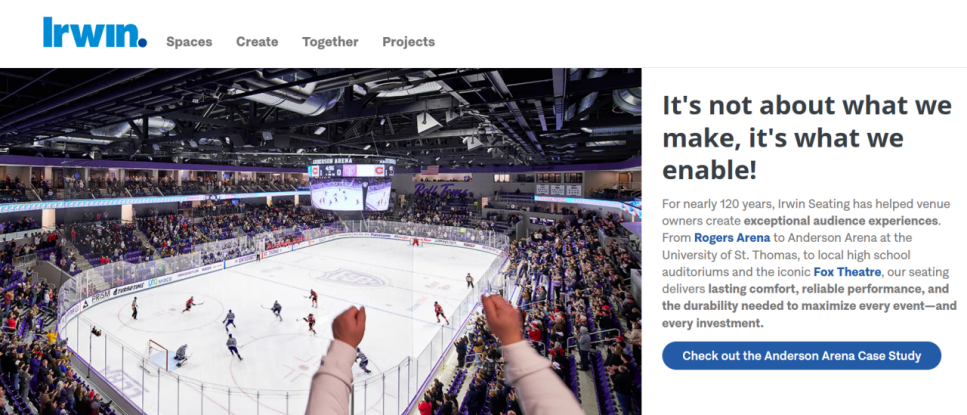
As one of the oldest manufacturers in the industry, Irwin Seating Company specializes in both new installations and the restoration of historic theaters. Their expertise lies in traditional manufacturing techniques, such as the use of cast iron for seat standards. Cast iron offers a level of vibration dampening and period-correct aesthetics that modern steel fabrications often cannot replicate.
Irwin is particularly adept at custom color matching and replicating historic designs for venues undergoing preservation. Their Signature and Millennium series are staples in North American civic theaters, noted for their robust construction and wide range of wood species available for armrests and outer shells. Their focus remains on providing “solid” seating that minimizes mechanical noise during a performance, which is vital in sensitive acoustic environments like recital halls.
3. Ferco Seating
Ferco Seating focuses on the intersection of ergonomics and contemporary design. Headquartered in the UK with global manufacturing reach, Ferco is often selected for projects where a modern aesthetic and space optimization are required. Their seat mechanisms typically utilize gravity-based tip-up systems, which are favored in cultural venues for their silent operation and lack of springs that might fatigue or create noise over time.
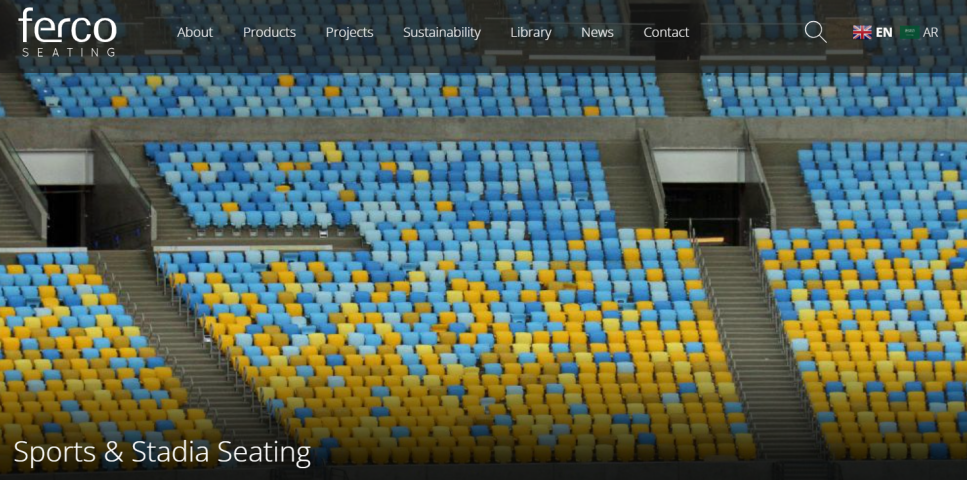
Their Paragon line is frequently used in performing arts centers because of its compact envelope. This design allows for maximized seating capacity in smaller footprints without compromising the occupant’s lumbar support. Ferco also provides specialized solutions for “VIP” areas within cultural centers, including motorized reclining options that are engineered to adhere to the same acoustic standards as their fixed seating counterparts.
4. Preferred Seating
Preferred Seating serves a niche within the cultural market by providing durable, cost-effective solutions for community-based venues and regional renovations. They are known for their “Liberty” series, which focuses on a balance between affordability and high-performance materials.
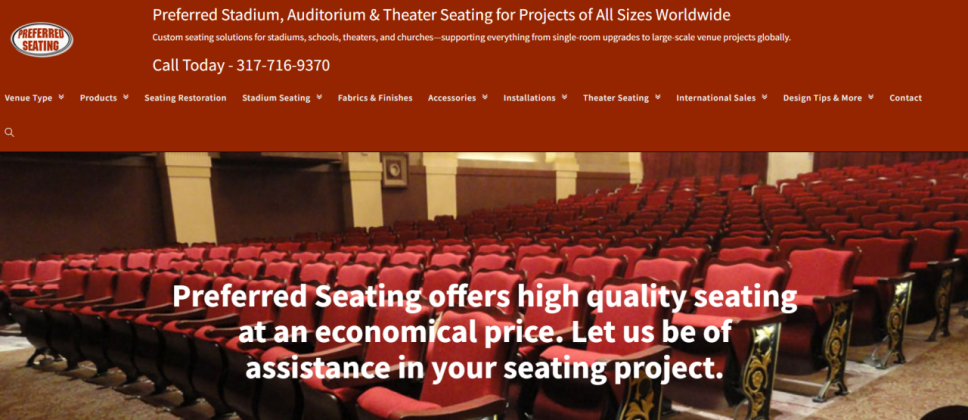
One of their key offerings is the removable seating system. This technology allows cultural centers to reconfigure their floor plans for special events or ADA (Americans with Disabilities Act) compliance adjustments on an as-needed basis. While their designs are generally more utilitarian than some high-end European or Asian manufacturers, they meet all essential safety and comfort requirements for mid-tier performing arts spaces where budget flexibility is a primary concern.
5. Hussey Seating Company
Hussey Seating Company is recognized for its engineering focus on versatility and durability. While they are a major provider for sports venues, their Quattro collection is specifically designed for the performing arts. This series offers a modular approach, allowing venue owners to select from different back heights, widths, and upholstery styles to match specific architectural requirements.
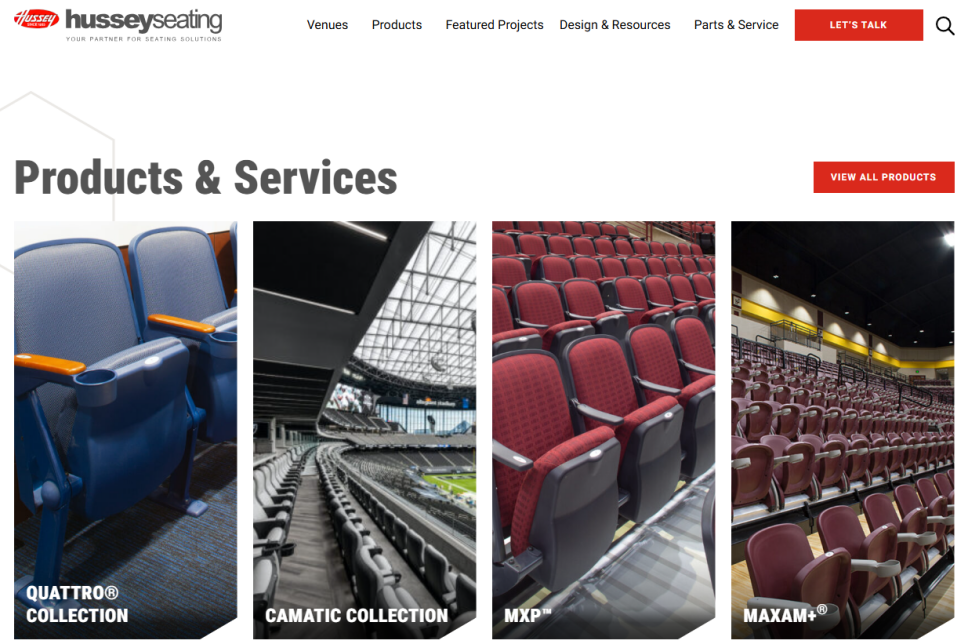
A significant advantage of this brand is its expertise in telescopic and retractable seating systems. For cultural centers that serve as multi-functional spaces—hosting a symphony one night and a flat-floor exhibition the next—their automated retractable platforms provide a high degree of operational flexibility. Their products often feature high-impact polymer components and cast aluminum standards, prioritizing longevity and ease of maintenance in high-frequency use environments.
Identifying a manufacturer requires a clear understanding of the specific needs of the venue’s programming and audience demographics.
How to Choose Seating for Cultural Centers
When evaluating brands for a performance venue, decision-makers should prioritize the following three criteria:
- Acoustic Profile: The seat must have a documented absorption coefficient. Ideally, the chair should absorb the same amount of sound when empty as it does when occupied by a person to ensure consistent sound quality during rehearsals and live performances.
- Maintenance and Lifecycle: Look for “modular” designs where seat pads or back covers can be replaced without removing the entire chair frame. Cold-molded foam is preferable over cut foam as it does not lose shape or crumble over time.
- Compliance and Safety: Ensure the manufacturer can provide certifications for local fire codes and load-bearing tests. In cultural centers, the “egress” or the space between rows when seats are tipped up is a critical safety measurement that must be verified for emergency evacuation plans.
These technical factors ultimately dictate the long-term success of the venue’s interior design and functional performance.
Final Verdict
The optimal seating choice depends heavily on the specific nature of the cultural center. For flagship opera houses and national concert halls requiring high levels of customization and acoustic precision, Leadcom Seating provides the most comprehensive technical integration and manufacturing oversight.
Venues requiring multi-purpose flexibility may find Hussey Seating more aligned with their operational needs due to their retractable technology. For historic restorations where architectural fidelity is paramount, Irwin Seating remains a reliable choice. Ultimately, a successful installation is defined by the manufacturer’s ability to provide a product that remains silent and unobtrusive, allowing the performance to remain the primary focus.
Frequently Asked Questions
1. How long does theater seating typically last in a cultural center?
High-quality theater seating is designed for a functional lifecycle of 15 to 25 years. However, the actual lifespan depends on the quality of the foam and the durability of the tip-up mechanism. Manufacturers using cold-molded foam and gravity-tilt systems generally offer the longest-lasting products.2. Why is wood often used on the back or bottom of theater seats?
In performing arts centers, wood serves as a critical acoustic reflector. Perforated or solid wood panels help bounce sound back into the room, preventing the seating area from becoming an “acoustic dead zone,” which is essential for unamplified performances like orchestral music.
3. Can theater seating be installed on any floor type?
Most professional seating can be adapted for flat floors, sloped floors, or tiered risers. The manufacturer must customize the “standards” (the legs of the chair) to match the specific degree of the floor’s incline to ensure the seats remain level and the sightlines are preserved.