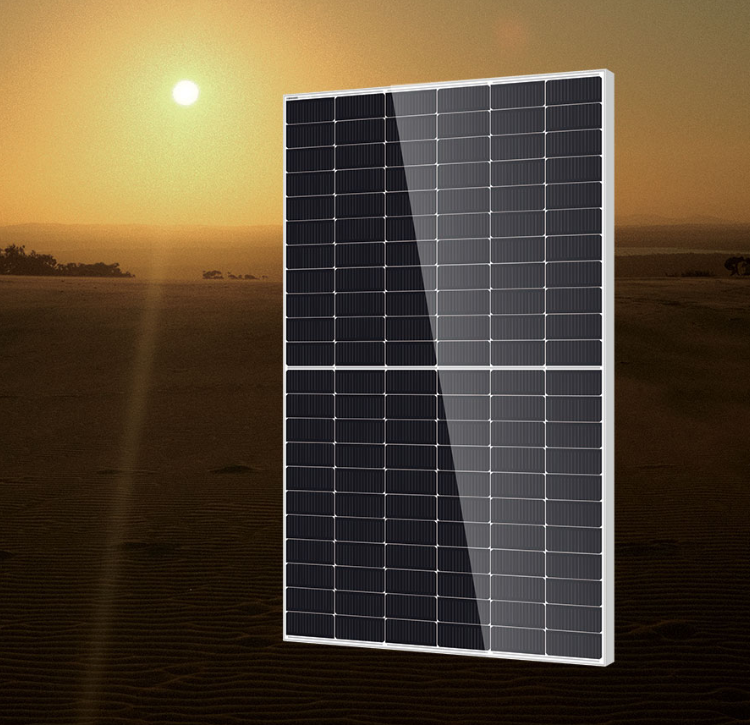
Many property owners evaluate Rooftop Solar Panels as a practical way to manage electricity consumption while making use of available roof space. These systems help stabilize long-term energy costs and offer predictable performance when installed under suitable conditions. In this context, DMEGC Solar provides the Infinity RT Series, which they design with N-type technology and a 30-year linear power warranty. The M10RT and G12RT modules can reach outputs up to 610Wp and efficiency up to 22.95%. Although product information is only one part of the overall decision-making process, understanding module characteristics helps users assess whether rooftop installations fit their long-term energy plans. By recognizing these advantages, users can form clearer expectations about how Rooftop Solar Panels operate in residential, commercial, and utility environments.
Structural Requirements Before Installation
Before adopting Rooftop Solar Panels, it is essential to understand the structural capacity of a building. Roof load limits, waterproofing layers, and surface conditions influence installation planning. Proper assessment ensures the mounting system functions safely throughout the system’s lifespan. The Infinity RT Series is built with mechanical stability suitable for various roof types, allowing installers to adapt designs to different building structures. While module compatibility is important, the primary consideration remains the building’s ability to support additional equipment. Evaluating shading, orientation, and access pathways helps maintain system reliability. When these structural factors are reviewed thoroughly, Rooftop Solar Panels can perform consistently with reduced maintenance concerns.
ROI Considerations for Rooftop Installations
The return on investment for Rooftop Solar Panels depends on sunlight availability, electricity usage patterns, and the efficiency of the chosen modules. Systems with higher efficiency can generate more power within limited roof areas, improving long-term value. The Infinity RT Series supports this requirement by offering improved system capacity and steady performance over time. Users typically analyze payback periods, maintenance expectations, and available local energy programs. When these financial elements are combined with stable module output, the decision-making process becomes clearer. Evaluating ROI helps users understand both economic and operational outcomes, making Rooftop Solar Panels a valuable component of long-term planning.
Conclusion: Key Factors for Rooftop Solar Panels
In conclusion, the advantages, structural requirements, and ROI of Rooftop Solar Panels form a connected framework for decision-making. Understanding each element allows users to approach rooftop installations with realistic expectations supported by manufacturers such as DMEGC Solar.