Keeping patients safe and well-monitored through the night is one of the most demanding responsibilities for nursing teams. In busy hospital wards, efficient tools are essential to ensure timely care without overwhelming staff. A high-quality hospital patient monitor plays a vital role in helping nurses quickly check and record critical health data. In this article, we explore how modern monitoring solutions support smoother night-shift rounds and improve workflow for caregivers.
The Importance of Efficient Night Rounds
During night shifts, nursing staff must balance routine checks with responding to changing patient conditions. Traditional methods that require manual recording of vital signs can be time-consuming and prone to errors, especially when dealing with large patient loads. A reliable patient vital signs monitor simplifies this process by automating data capture and centralizing information so that nurses can spend more time on care and less time on documentation.
Key Features That Support Nursing Workflows
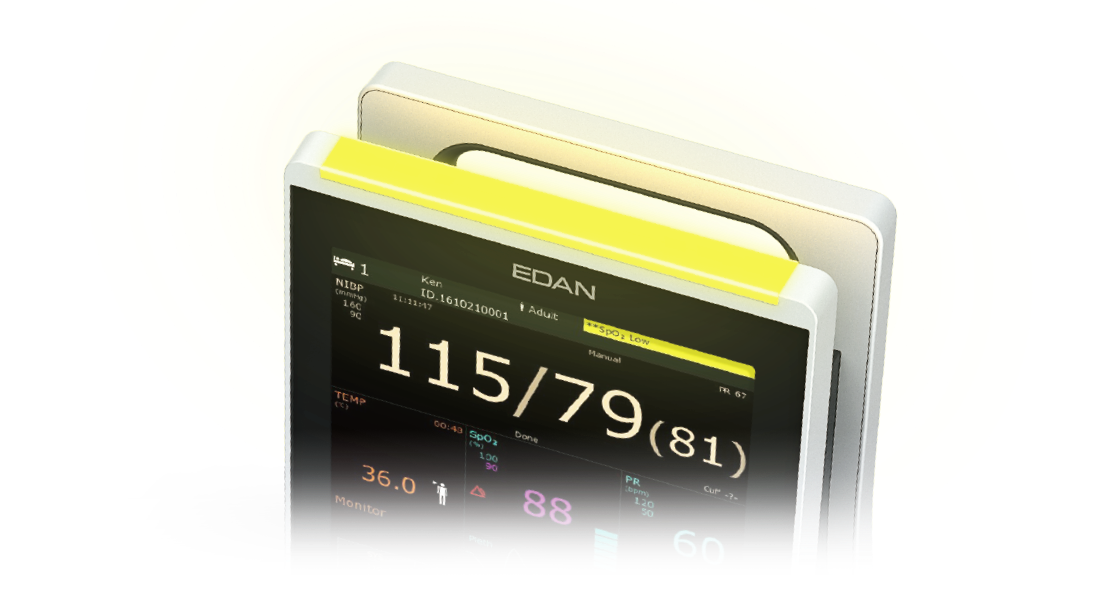
Integrating advanced monitoring technology into night rounds can transform how nurses gather and review patient data. For example, the EDAN iM3 Spot Vital Signs Monitor includes multiple work modes designed to fit different clinical needs. In its specialized Round Mode, patient lists and measurements can be uploaded through a USB connection or downloaded from an electronic medical records system, providing a clear overview of status at a glance. This makes it easier for nurses to organize their checks and ensures that vital signs are accurately logged without redundant steps.
Beyond efficiency, reliable monitoring tools deliver rich data such as oxygen saturation (SpO₂), non-invasive blood pressure (NIBP), and pulse rate, displayed on a bright, easy-to-read touchscreen. Connectivity via Wi-Fi and barcode scanning further streamlines data handling and reduces manual input, helping to prevent transcription errors and keep records up to date.
Real-World Benefits for Night-Shift Care
Using a hospital patient monitor that supports multiple modes and comprehensive data storage enhances situational awareness during night rounds. Nurses can quickly distinguish between stable and at-risk patients thanks to color-coded lists and smart alert systems. Efficient data review and reporting save precious time and allow staff to prioritize interventions where they are needed most.
Conclusion
In high-pressure environments like hospital wards, a well-designed patient vital signs monitor is more than just a device; it is a practical ally for nursing teams. Tools like the EDAN iM3 help streamline night-shift rounds by consolidating vital information, improving accuracy, and reducing workload. With such support, nurses can focus on delivering attentive care throughout the night.