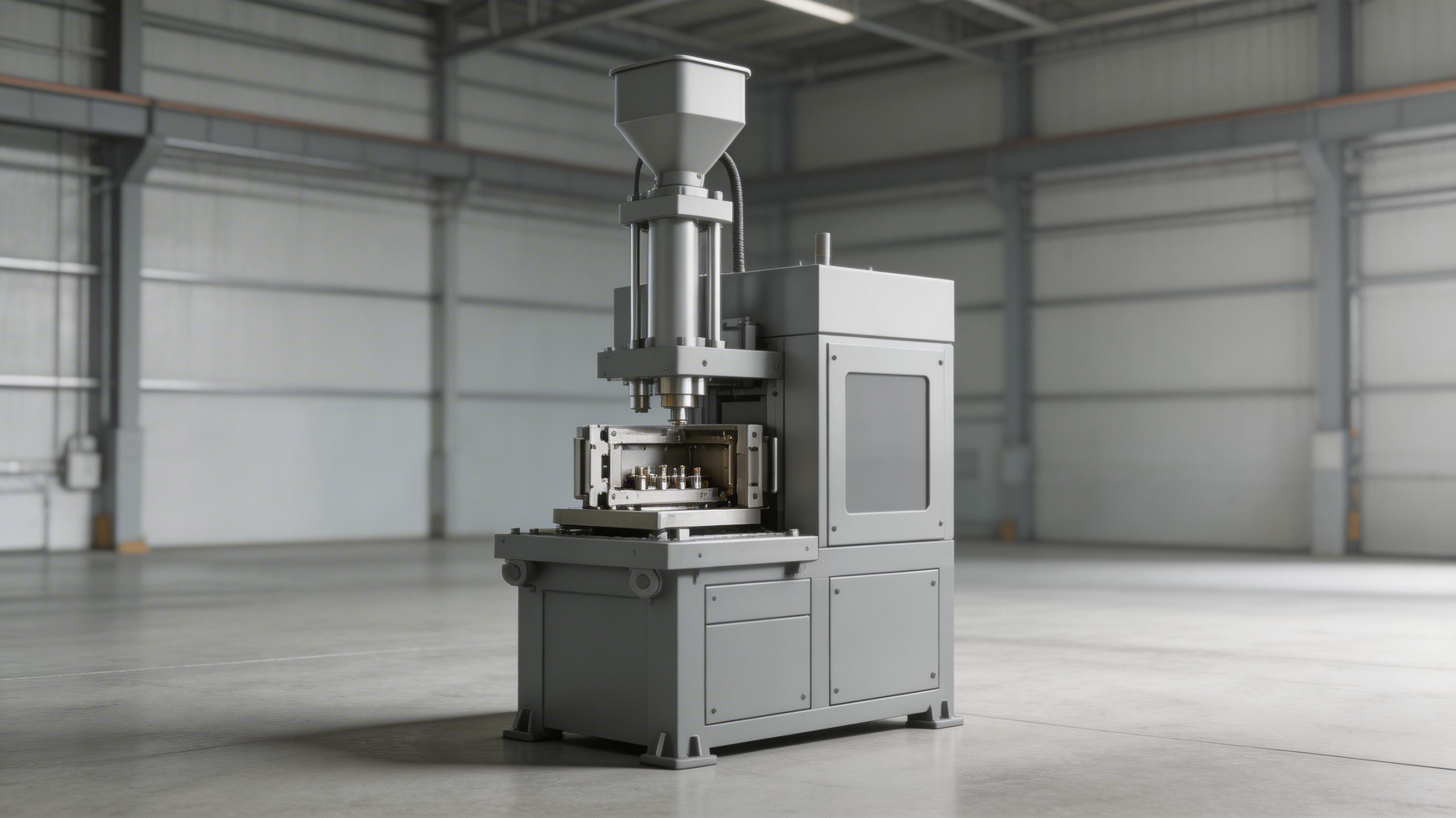
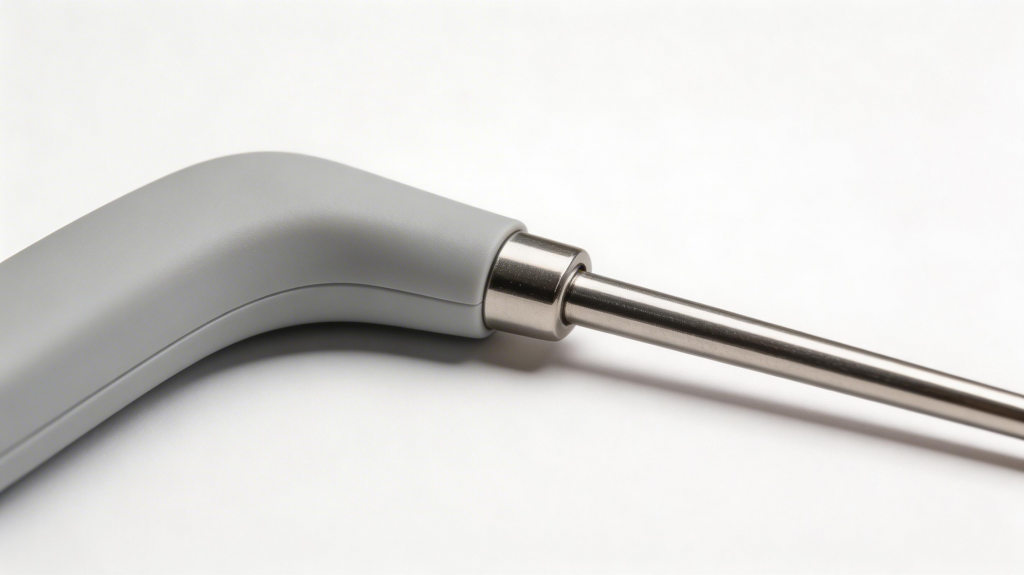
Insert molding is the premier manufacturing method for creating hermetically sealed surgical instruments capable of withstanding repeated autoclave sterilization. By directly encapsulating metal shafts, electronic sensors, or circuit boards within high-performance thermoplastics, this process creates a void-free, cohesive bond. This seamless integration eliminates the microscopic gaps often found in mechanical assemblies, effectively preventing moisture ingress and delamination during high-pressure steam cycles. The following guide details the engineering logic, material science, and design protocols necessary to achieve these results.
Engineering Hermeticity and Autoclavability via Insert Molding
To guarantee patient safety and device longevity, engineers must transition from traditional mechanical assembly to precision molding. This section explores the bonding mechanisms and material science required to maintain seal integrity under extreme sterilization conditions.
Micro-Mechanical Bonding vs. Heat Molded Inserts
Achieving a hermetic seal—typically defined as a helium leak rate below 1×10⁻⁸ atm-cc/sec—requires a molecular-level bond between the polymer and the metal insert. Unlike heat molded inserts (or heat-staked inserts), which are pressed into a pre-formed hole and rely solely on mechanical interference, insert molding allows the molten plastic to flow into the micro-surface irregularities of the metal. This creates a continuous, void-free interface. In comparative pull-force testing, molded-in inserts demonstrate up to 30% higher retention strength than post-mold installed equivalents, significantly reducing the risk of fluid ingress pathways forming during thermal expansion.
The tolerance requirements for these medical-grade applications are stringent. While consumer products like custom molded shoe inserts or custom molded foot inserts may tolerate dimensional variances of ±0.5 mm, hermetically sealed surgical components demand tolerances as tight as ±0.005 mm. Similarly, aesthetic applications such as baseboard molding with led light inserts prioritize visual finish over structural density. In contrast, surgical molding processes must prioritize pack pressure and cooling rates to eliminate internal voids that could harbor pathogens or lead to catastrophic failure under vacuum.
Material Selection for 1,000+ Sterilization Cycles
Selecting the right thermoplastic is critical for devices subjected to daily autoclaving at 134°C (273°F). Standard engineering plastics often degrade via hydrolysis after limited exposure.
PEEK (Polyetheretherketone): The gold standard for structural bonds, PEEK retains its mechanical properties for over 1,000 steam sterilization cycles. Its melting point of 343°C allows it to withstand high-thermal stress without creeping.
PPSU (Polyphenylsulfone): Known for superior impact resistance and hydrolysis stability, PPSU is ideal for instrument handles and cases, withstanding over 1,000 cycles with no significant loss in tensile strength.
LCP (Liquid Crystal Polymer): For micro-molding applications requiring thin walls (down to 0.3 mm) and high flow, LCP offers exceptional dimensional stability and low coefficient of thermal expansion (CTE), closely matching that of metal inserts to prevent stress cracking during cooling.
Livepoint Tooling Insert Molding Services and Capabilities
Livepoint Tooling provides comprehensive OEM and ODM services, delivering high-precision insert molding solutions for the medical, automotive, and industrial sectors. From prototype to mass production, we ensure rigorous quality control and efficient manufacturing.
Precision Medical and Industrial Manufacturing
Our facility is equipped with over 30 advanced injection molding machines, ranging from 100 to 800 tons, capable of handling complex geometries and diverse material requirements. We specialize in vertical clamping systems which utilize gravity to secure inserts, ensuring high repeatability for delicate components like circuit boards and sensors.
Medical Applications: We manufacture critical components such as syringes, inhalers, IV connectors, and auto-injector bodies. Our process ensures reliable bonding and biocompatibility for devices requiring long-term patient contact.
Diverse Insert Types: We support a wide array of inserts including screw, contact, stud, pin, and clip inserts, integrated seamlessly into materials like ABS, PA, PC, and high-performance engineering plastics.
Quality Assurance and Production Efficiency
At Livepoint Tooling, quality is paramount. We operate under ISO 9001:2015 and IATF 16949:2016 certifications, employing a rigorous quality management system with over 30 distinct inspection instruments, including full-dimension CMM inspections.
High Efficiency: Our operations run 24/7 with an Overall Equipment Effectiveness (OEE) of up to 95%, allowing for rapid turnaround times on both low-volume prototypes and high-volume production runs (100K+ parts/month).
Engineering Support: Our experienced engineering team assists with Design for Manufacturability (DFM), optimizing gate locations and shut-offs to protect sensitive electronics during the high-pressure injection phase.
Conclusion
To guarantee the safety and longevity of surgical instruments, engineers must transition from traditional assembly to precision insert molding. By leveraging advanced materials like PEEK and utilizing expert manufacturing partners, you can achieve true hermeticity and durability. Contact Livepoint Tooling today to evaluate your design for manufacturability and start your project.