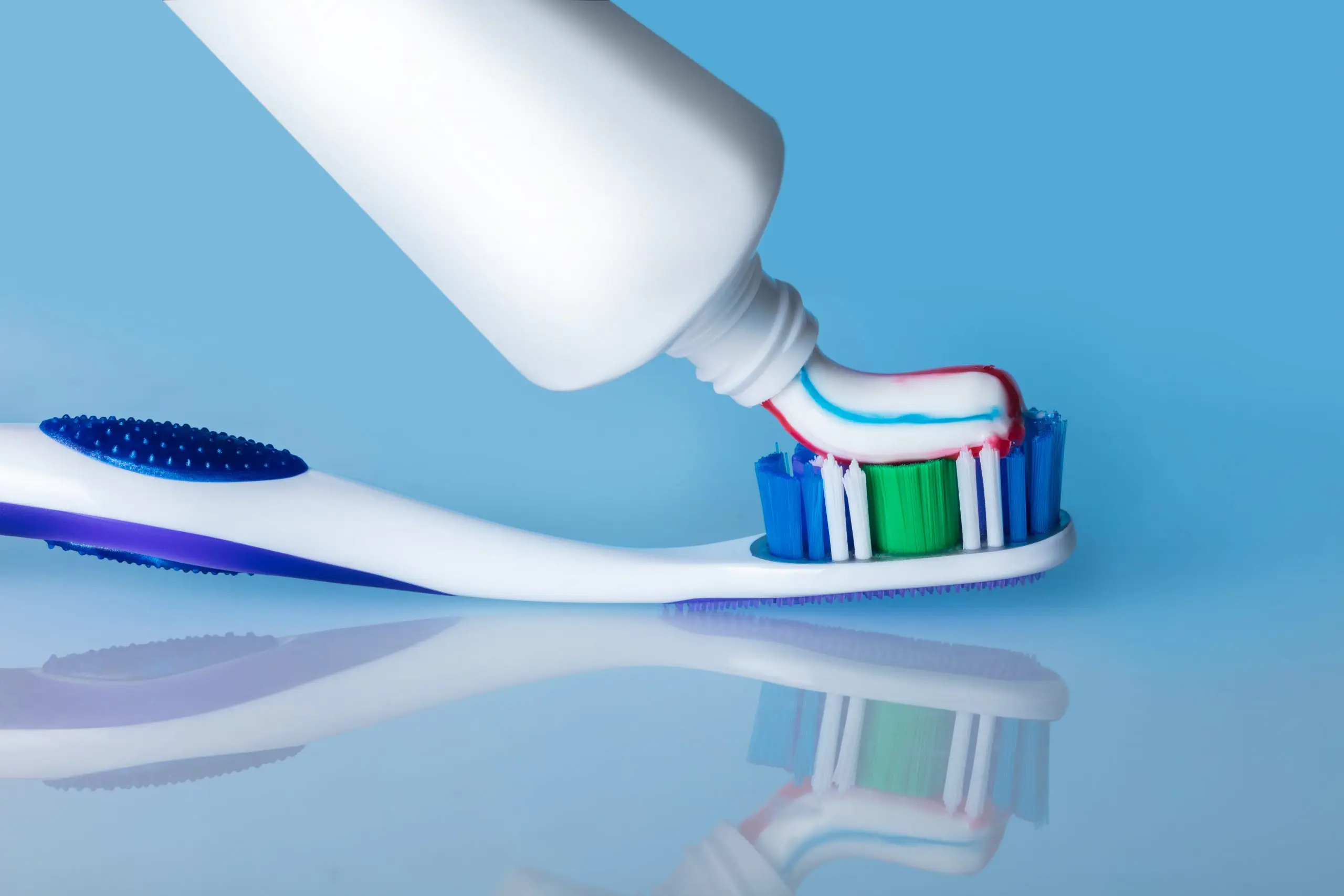
Toothpaste is made from a combination of ingredients that work together to clean teeth, support oral hygiene, and deliver a pleasant brushing experience. Among the many raw materials in toothpaste, hydrated silica plays an important role in removing surface stains, controlling texture, and maintaining product consistency. Its properties make it a useful ingredient for manufacturers seeking to balance cleaning performance with everyday comfort.
Understanding how hydrated silica works, how it compares with other toothpaste ingredients, and what manufacturers should consider when selecting it can help explain its value in modern oral care formulations.
What Is Hydrated Silica in Toothpaste?
Hydrated silica is a form of silicon dioxide that contains water within its structure. In toothpaste, it is commonly used as an abrasive and thickening agent, depending on its specific physical properties and formulation.
As an abrasive, hydrated silica helps remove food residues, plaque deposits, and extrinsic stains from tooth surfaces during brushing. Its cleaning action relies on controlled physical abrasion rather than chemical bleaching. When properly selected and formulated, it can support effective cleaning while helping maintain a comfortable brushing experience.
Hydrated silica can also contribute to toothpaste texture and stability. Certain grades help create a smooth, uniform paste that spreads easily across the teeth. Because different grades have different particle characteristics and thickening capabilities, manufacturers can select materials according to the needs of each product.
Why Hydrated Silica Matters Among Raw Materials in Toothpaste
Toothpaste contains several categories of raw materials, each serving a different purpose. Fluoride compounds help prevent tooth decay, humectants such as glycerin help retain moisture, surfactants support foaming and cleaning, and flavoring agents provide a refreshing taste. Binders and thickeners help maintain the desired consistency. Within this system, hydrated silica supports both cleaning performance and product design.
Supporting Effective Cleaning
The abrasive properties of hydrated silica in toothpaste help remove external stains caused by common foods, beverages, and other everyday exposures. Its performance depends on factors such as particle size, particle shape, hardness, and the overall formulation.
Manufacturers must balance cleaning efficiency with enamel and dentin compatibility. A more abrasive ingredient is not automatically better. Instead, the objective is to achieve the required cleaning performance without causing unnecessary wear when toothpaste is used as directed.
Improving Texture and Consistency
Consumers expect toothpaste to remain smooth, stable, and easy to dispense. Hydrated silica with suitable thickening properties can help manufacturers achieve the desired viscosity and mouthfeel.
Its interaction with water, humectants, binders, and other ingredients influences the final texture. Careful formulation helps prevent unwanted separation while ensuring that toothpaste spreads evenly during brushing.
Supporting Different Product Formulations
Not all toothpaste products have the same requirements. Whitening toothpaste may prioritize the removal of surface stains, while everyday toothpaste may focus on balanced cleaning and a pleasant brushing experience. Some formulations also require specific viscosity or sensory characteristics.
Selecting the appropriate hydrated silica grade allows manufacturers to adjust these properties to suit the intended application. The final result depends on the combined formulation rather than on a single raw material alone.
How to Select Hydrated Silica for Toothpaste Manufacturing
Choosing hydrated silica requires more than comparing prices or selecting a material based on its general description. Manufacturers should evaluate several technical factors before incorporating it into a formulation.
Particle characteristics and abrasive performance are important considerations because they influence cleaning behavior. Compatibility with other ingredients also matters, particularly when the formulation contains fluoride compounds, flavoring agents, and different thickening systems.
Consistency between production batches is another essential factor. Variations in material properties can affect viscosity, appearance, processing, and finished product performance. Manufacturers should therefore review technical specifications, quality control procedures, and application data when evaluating suppliers.
Testing is equally important. Formulation trials can help determine whether a particular grade meets the desired requirements for stability, texture, cleaning performance, and consumer experience. Abrasivity testing and appropriate oral care safety assessments should be conducted as part of product development.
Working With a Reliable Silica Supplier
A suitable supplier can help toothpaste manufacturers understand material specifications and identify grades that fit their formulation needs. Technical documentation, consistent product quality, and responsive communication can all support a more efficient development process.
JSJ Silica provides silica materials for industrial applications. Manufacturers evaluating silica for oral care should confirm the availability of toothpaste suitable grades, relevant technical data, regulatory documentation, and application specific support directly with the company. Material suitability should be established through technical review and formulation testing rather than assumed from performance in unrelated applications.
Making Better Choices in Toothpaste Formulation
Hydrated silica is an important component among the raw materials in toothpaste because it can contribute to cleaning, texture, and formulation consistency. Its effectiveness depends on selecting the right grade and balancing its properties with the other ingredients in the product.
For manufacturers, a well considered material selection process supports reliable production and helps meet consumer expectations for everyday oral care. By evaluating performance requirements, ingredient compatibility, quality consistency, and safety, product developers can make more informed decisions when incorporating hydrated silica into toothpaste formulations.