A residential energy system becomes considerably more useful when generation, storage, and energy control operate as one coordinated architecture. The challenge is not simply producing electricity from PV panels. Household demand changes throughout the day, solar production fluctuates, and surplus generation needs somewhere productive to go.
A system therefore needs a central point that can manage energy conversion while coordinating storage and consumption. Fox ESS addresses this architectural challenge by seamlessly linking its advanced hybrid inverter lineup with high-voltage battery storage and the FoxCloud 2.0 platform. Rather than treating these elements as standalone components, this unified approach establishes a continuous pathway connecting solar generation, energy storage, intelligent monitoring, and household consumption.
The Inverter Creates the System’s Energy Hub
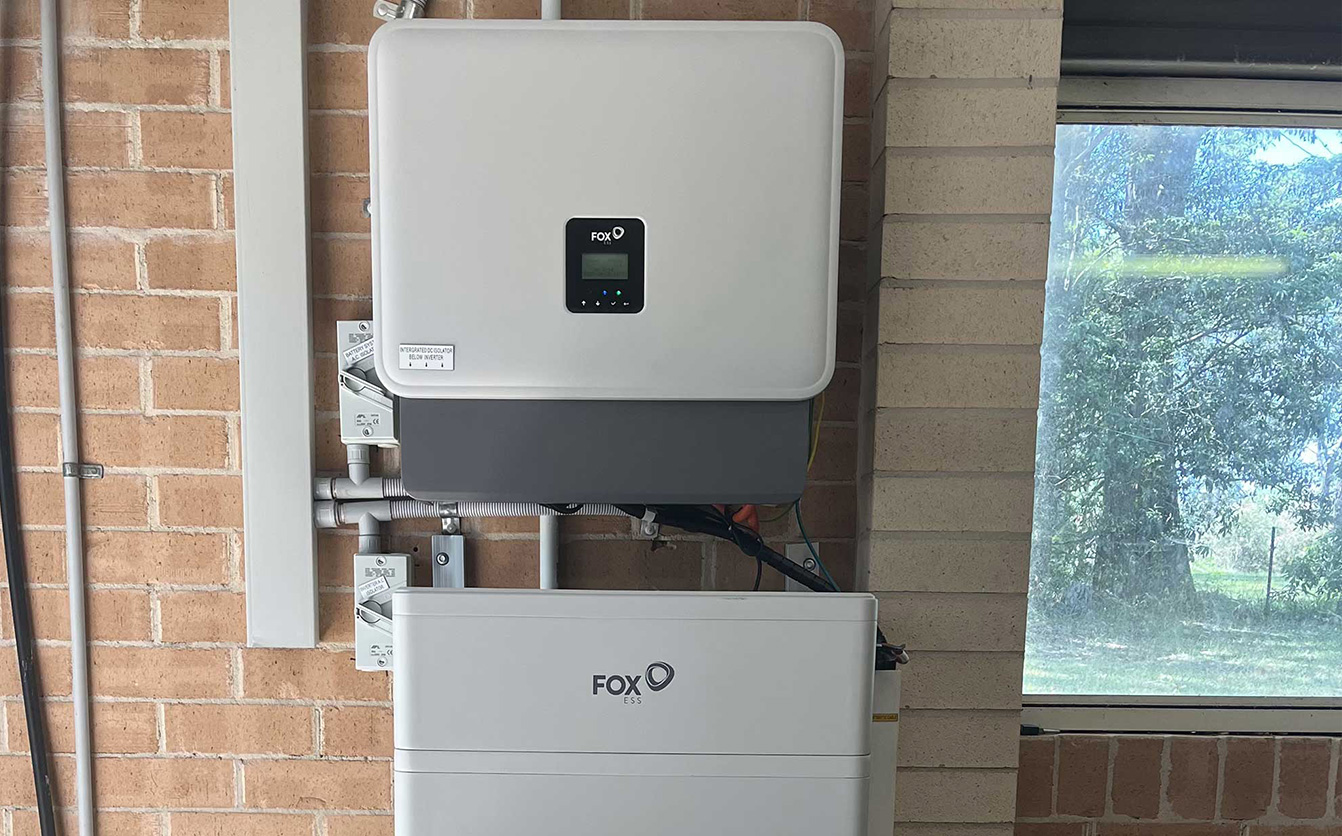
At the hardware level, the hybrid inverter sits at the center of the residential energy flow. Unlike an inverter designed only around PV conversion, a hybrid model is intended to work with both solar generation and battery storage.
The current product range illustrates this system-oriented design. The single-phase KH/KA series, for example, is presented with high-voltage batteries, flexible configuration, built-in fuse protection, remote monitoring, and a 7–10.5 kW power range. Three-phase options such as H3 Smart extend the same architecture into larger residential installations.
That positioning makes the hybrid inverter more than a conversion component. It provides the electrical interface through which PV energy can be directed toward household loads or battery charging, while stored energy can subsequently be made available to the home.
A hybrid inverter therefore provides the hardware foundation for coordinating different energy sources rather than requiring separate equipment for every energy pathway.
Battery Storage Turns Solar Output Into Flexible Energy
Solar generation and household consumption rarely occur at exactly the same moment. Battery storage addresses that timing mismatch by retaining energy that can be used later.
The battery range is designed around modular high-voltage storage. For example, the EP6 is listed with an energy range of 5.76–23.04 kWh, while the EP11 is listed at 10.36–41.60 kWh. Both are presented as expandable storage systems, allowing system configuration to be matched to different residential requirements.
Within a hybrid inverter system, this storage layer changes how excess PV generation can be handled. Instead of viewing midday solar production and evening electricity demand as separate events, the battery creates an energy bridge between them.
The result is a system in which solar energy can be stored when available and subsequently supplied when household demand requires it. Storage therefore becomes part of the operating logic rather than an isolated backup component.
Energy Management Connects Hardware With Household Demand
Hardware alone does not explain the complete system. Residential energy management requires visibility into what the system is producing, consuming, and storing.
FoxCloud 2.0 provides that digital layer. Its app is designed to monitor and control household energy use, manage smart devices, and track production and consumption. It also provides historical views across daily, weekly, monthly, and yearly periods, giving users a way to understand how their energy system behaves over time.
That information becomes more significant when combined with intelligent control. FoxCloud 2.0’s AI Mode analyzes energy usage patterns, PV output forecasts, and dynamic or time-of-use tariffs to optimize system performance.
Consequently, energy management is not simply an interface for viewing battery percentage. It forms the digital coordination layer between the physical equipment and household energy decisions.
How the Three Layers Work Together During a Typical Day
Consider a home producing substantial solar power during the middle of the day. The inverter handles the electrical conversion and determines how available energy can interact with the home’s electrical system and connected battery.
If generation exceeds immediate household demand, battery storage provides a destination for surplus energy. Later, when PV production falls and household consumption continues, stored energy can become part of the available supply.
Meanwhile, the monitoring platform provides visibility into these changes. Users can see production and consumption patterns rather than having to interpret individual hardware components independently. FoxCloud 2.0 is designed to bring those functions together through one application.
The important point is the connection between the layers. The inverter manages the electrical interface, the battery provides temporal flexibility, and the software supplies monitoring and intelligent management. Each layer performs a different job, but their value increases when they operate as a coordinated system.
Why the Integrated Architecture Matters for Residential Energy
A fragmented installation can contain capable individual components without necessarily providing a unified energy strategy. Integration changes the perspective from individual devices to system behavior. Fox ESS presents its residential offering around this broader ecosystem, combining hybrid inverters, batteries, and digital energy-management capabilities within its portfolio.
For homeowners, the practical significance is straightforward: solar generation, stored energy, household consumption, and energy data can be considered as parts of one operating environment. For installers, the architecture also provides a clearer framework for designing a residential storage solution around the relationship between generation, storage capacity, inverter configuration, and energy-management requirements.
When these layers are designed to work together, the homeowner is not simply adding a battery to a solar installation. They are creating an energy system capable of connecting generation, storage, consumption, and digital management through a common architecture.