A scooter’s place in a dealer’s catalogue depends on more than its advertised speed or appearance. Customers compare purchase cost, everyday practicality, comfort, running expenses, and the type of journeys a vehicle can handle. For distributors, the challenge is to build a range that serves distinct needs without creating unnecessary overlap between models.
Working with the best electric scooter manufacturer can help a business assess product specifications, supply arrangements, and long-term market opportunities together. A well-planned portfolio gives dealers a clearer basis for explaining differences to customers while managing stock in line with local demand.
Assessing Customer Demand Before Adding a Model
Customer research offers a more dependable starting point than selecting a scooter based on specifications alone. Urban commuters may care about charging convenience, seating comfort, and the distance covered during a typical working day, while delivery riders may focus on load requirements, maintenance access, and daily operating costs. In some markets, buyers also prioritize battery chemistry, weather resistance, or local registration requirements. Dealers should review sales records, customer enquiries, competitor pricing, and common reasons for returns before deciding which segment deserves more inventory.
Price positioning matters, but the lowest retail price does not necessarily create the strongest commercial opportunity. A model that appears affordable may require more explanation if its range, battery capacity, or equipment differs significantly from customer expectations. Conversely, a higher-priced option may struggle if the benefits are difficult to demonstrate in a showroom. The best electric scooter manufacturer should be able to provide clear, consistent specifications that help dealers compare models and communicate realistic expectations without relying on exaggerated claims.
Demand also varies by season, geography, and local transport habits. A compact scooter may appeal to commuters in densely populated areas, whereas customers in suburban markets may place greater emphasis on battery range and riding comfort. Dealer teams can record enquiries by intended use, preferred price band, and frequently requested features to identify patterns over time. These observations make assortment decisions more evidence-based and reduce the risk of committing too much capital to a model whose appeal remains unproven.
Evaluating the S75 Within a Balanced Product Range
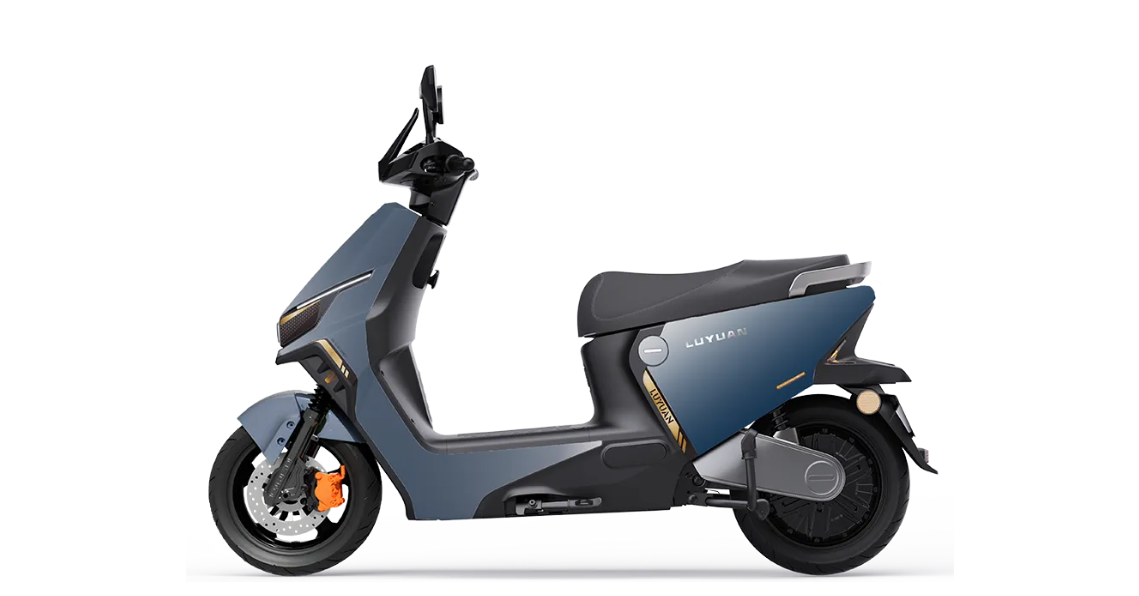
A product should be judged in relation to the other vehicles a dealer already sells, not in isolation. The LUYUAN electric scooter S75 can be assessed through its official model specifications, intended riding applications, and price position against comparable alternatives. Before assigning it to an entry-level, mid-range, or feature-focused category, distributors should verify the precise configuration available to their market. Motor output, battery type, maximum speed, stated range, charging requirements, and equipment may differ by version, so the published specification sheet should take precedence over assumptions based on the model name.
The key question is whether the model adds a meaningful choice for customers. If its price and features closely resemble an existing scooter, the two products may compete for the same demand without expanding the addressable audience. A clearer distinction could come from a different riding use, a more accessible price point, or equipment suited to a particular customer group. Dealers can map their current range by price and primary use, then identify gaps where a new model could provide a more useful alternative. This approach keeps attention on portfolio value rather than novelty alone.
Product comparisons should also account for the difference between advertised performance and practical riding conditions. Published range figures may rely on controlled tests or specific configurations, while actual results can change with rider weight, speed, road gradients, temperature, tire pressure, and battery condition. Sales staff should explain these factors in plain language and avoid presenting a single figure as a universal outcome. Clear explanations help customers choose a suitable vehicle and can reduce disputes caused by expectations that exceed normal operating conditions.
Building a Sustainable Dealer and Supplier Relationship
Product suitability is only one part of a successful distribution decision. Dealers also need to understand minimum order quantities, production lead times, spare-parts availability, warranty procedures, and the process for handling technical questions. These details influence cash flow and customer satisfaction long after the initial shipment arrives. A supplier evaluation should cover written commercial terms, communication practices, after-sales responsibilities, and the documentation required for the destination market. Comparing these factors side by side gives distributors a more realistic picture of the support available throughout the product lifecycle.
A structured launch can also reduce inventory risk. Rather than placing a large initial order based on optimistic sales projections, a dealer can begin with a quantity that matches expected demand and available storage. Early performance should be tracked through sell-through rate, enquiry-to-purchase conversion, customer feedback, return reasons, and spare-parts requests. If interest is strong but conversions remain weak, pricing or product communication may need adjustment. If sales are steady but service enquiries rise, the business may need better technical training or a clearer maintenance process.
Conclusion
A strong dealer assortment develops through careful observation rather than guesswork. Customer research establishes what the market needs, specification checks clarify the role of each vehicle, and commercial planning determines whether the range is viable for the business. Within that process, the LUYUAN electric scooter S75 should be evaluated against local demand, comparable models, and the dealer’s existing price structure instead of being treated as a standalone decision.
LUYUAN operates in the electric two-wheeler market, and distributors considering its range can use verified product documentation and direct supplier discussions to clarify whether a model fits their commercial priorities. With realistic forecasts and consistent performance reviews, dealers can make better-informed purchasing decisions and build a portfolio that adapts as customer preferences change.