Modern vehicle architecture relies heavily on lightweight aluminum and advanced high-strength steels that require precise, high-amperage electrical current delivery during automated joining sequences.
Production lines experience extreme mechanical stress, making core energy conversion units vital for maintaining structural welds across thousands of critical body-in-white joints.
Selecting inadequate power equipment leads to weak weld nuggets, severe metal expulsion, and costly assembly line stoppages that cripple daily plant output. Automotive manufacturing engineers must evaluate how electrical conversion efficiency dictates overall facility throughput and strict vehicle crashworthiness compliance standards.
Vehicle manufacturing plants operate under strict cycle-time pressures requiring continuous, repeatable micro-joins without thermal degradation or geometric distortion. High-strength materials demand rapid energy modulation to handle fluctuating contact resistance across stamped sheet metal flanges and structural reinforcements.
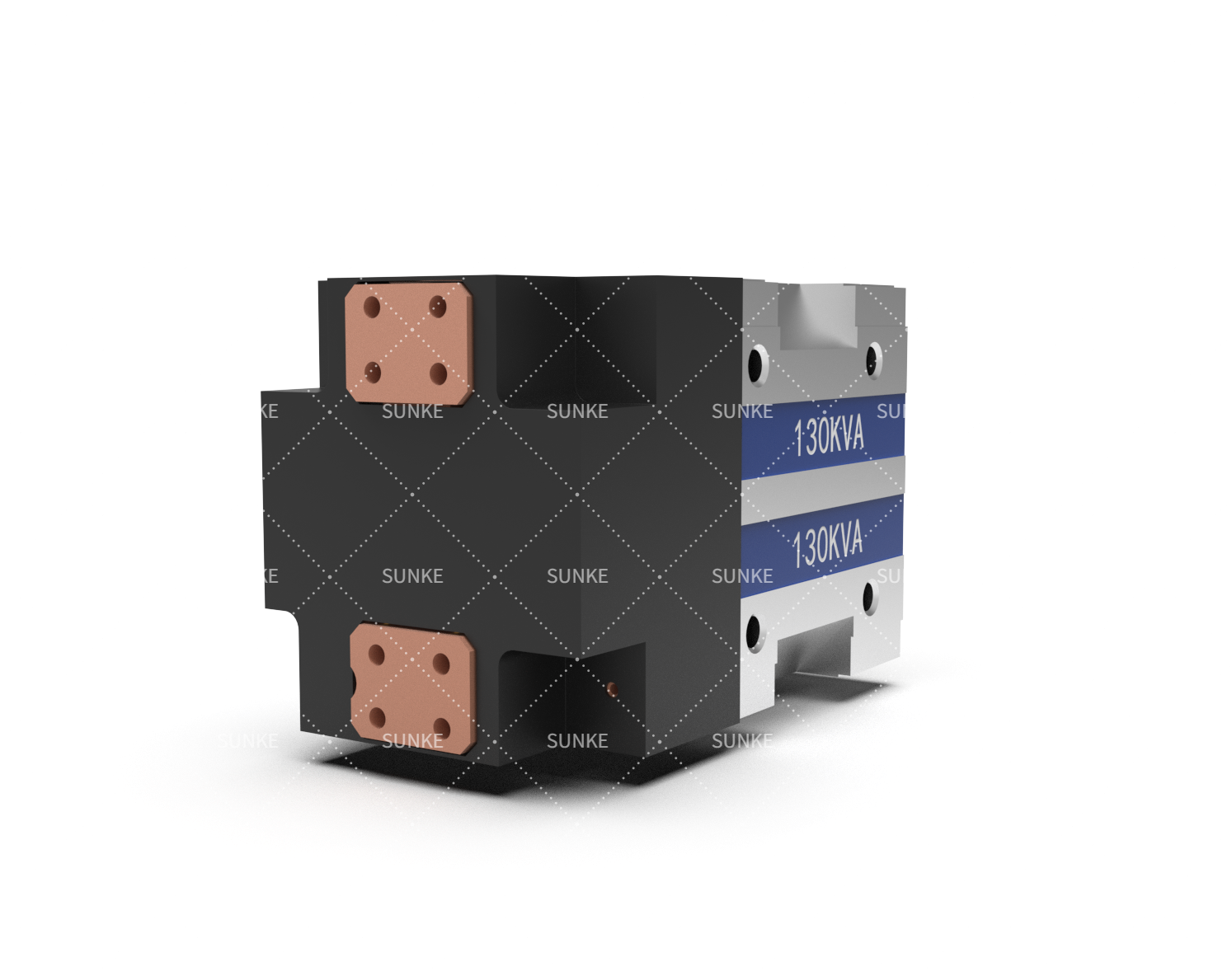
Heavy-duty plant equipment relies entirely on a dedicated spot welding transformer to convert incoming plant line voltage into massive secondary current outputs. Without this critical electromagnetic transformation stage, automated assembly cells cannot generate the localized thermal energy needed for reliable metallurgical bonding.
Power Conversion Mechanics in Multi-Material Body Structures
Electrical distribution networks inside modern vehicle manufacturing facilities require hardware capable of stepping down high primary voltages safely and efficiently. Lower secondary voltages paired with thousands of amperes form the foundation of high-speed resistance welding operations on automated factory floors.
Integrating a robust resistance welding transformer ensures that secondary circuits maintain absolute stability despite micro-fluctuations in electrical grid supply. Engineers depend on these electromagnetic devices to deliver predictable heat generation directly at the targeted metal interface.
Specialized electromagnetic units convert incoming power frequencies into stable direct current outputs that eliminate severe magnetic losses during continuous production runs. Deploying an efficient spot welding transformer inside automated lines allows technicians to achieve consistent nugget formation across dissimilar metal stacks without surface damage.
Modern assembly protocols require rapid rise times and precise current regulation to overcome variable surface coatings found on modern automotive panels. Advanced control integration ensures that every pulse profile adapts dynamically to micro-variations in material thickness and electrode wear.
Thermal Control and Robotic Integration Demands
Continuous high-volume production generates immense thermal energy within internal magnetic cores and secondary semiconductor rectifiers during every welding shift. Integrated liquid-cooling channels prevent internal temperatures from exceeding safe operational limits during multi-shift automotive manufacturing production campaigns.
Effective thermal management safeguards sensitive insulation materials, preventing premature short circuits and unexpected production line downtime across robotic cells. Manufacturing plant managers prioritize cooling reliability to sustain high duty cycles without risking catastrophic equipment burnout.
Robotic integration places extreme dynamic acceleration forces on every component mounted directly to multi-axis articulated welding arms and gantry fixtures. Heavy power units can restrict arm speed and increase mechanical wear on servo motors if structural mass remains unoptimized.
Modern engineering solutions emphasize robust, closed-frame geometric configurations that withstand high shock loads during rapid spatial positioning. Sunke engineers these units to combine lightweight housing materials with exceptional mechanical rigidity, meeting demanding automotive payload limits.
Minimizing Footprints Inside High-Speed Production Cells
Factory floor space carries a high economic premium, forcing equipment designers to minimize physical hardware dimensions wherever possible across production lines. Compact electromagnetic units allow seamless integration directly inside restricted robotic gun housings or specialized multi-axis welding fixtures.
Space-saving designs eliminate long secondary cable runs that introduce undesirable electrical inductance and power losses. Shorter secondary loops directly improve electrical conversion efficiency and reduce overall system energy consumption significantly.
Optimized spatial footprints also simplify routine maintenance access and component replacement procedures inside congested automated automotive body shops. Maintenance personnel can inspect electrical connections and coolant fittings quickly without dismantling major surrounding robotic tooling assemblies.
Reduced maintenance complexity translates directly into higher overall equipment effectiveness across demanding multi-model automotive manufacturing plants. Equipment builders continuously refine internal core geometries to achieve maximum power density within minimal enclosure volumes.
Advancing Energy Efficiency and Quality Stability
Energy efficiency remains a top operational priority for modern manufacturing facilities striving to reduce corporate carbon footprints and utility expenditures. Advanced magnetic core materials and precision winding techniques significantly reduce core losses during idle and active welding states.
Selecting an efficient resistance welding transformer directly lowers facility power demands while supporting higher throughput rates. Plant operators capture immediate financial returns through reduced electricity bills and prolonged electrode tip lifespans.
Quality stability governs every phase of vehicle crash testing certification and statutory compliance across global automotive manufacturing markets. Real-time feedback controllers rely upon stable secondary current delivery to execute adaptive micro-adjustments during every individual weld cycle.
Sunke provides welding transformers designed to support stable power delivery and consistent welding performance when properly integrated with suitable controllers and process parameters. Automotive quality auditors verify that stable power conversion forms the unyielding backbone of zero-defect manufacturing strategies.
Vehicle production lines demand uncompromising reliability, electrical precision, and thermal endurance from every installed joining asset in operation. Modern body shops achieve superior structural integrity by integrating advanced power conversion equipment tailored for multi-material joining challenges.
They provide dependable hardware solutions that empower manufacturers to overcome assembly hurdles and maintain flawless quality standards daily. Investing in robust power conversion infrastructure ensures long-term operational success across highly competitive global automotive markets.