Ask five hikers where ultralight begins and you may hear five different thresholds: 2 pounds, 1.5 kilograms, “anything lighter than a liter bottle of water.” Instead of adding another abstract definition to that pile, it is more useful to look at how one tent line separates its standard and lighter builds, since the comparison shows which design choices earn the label in practice.
Two Builds, One Tent: What Changes
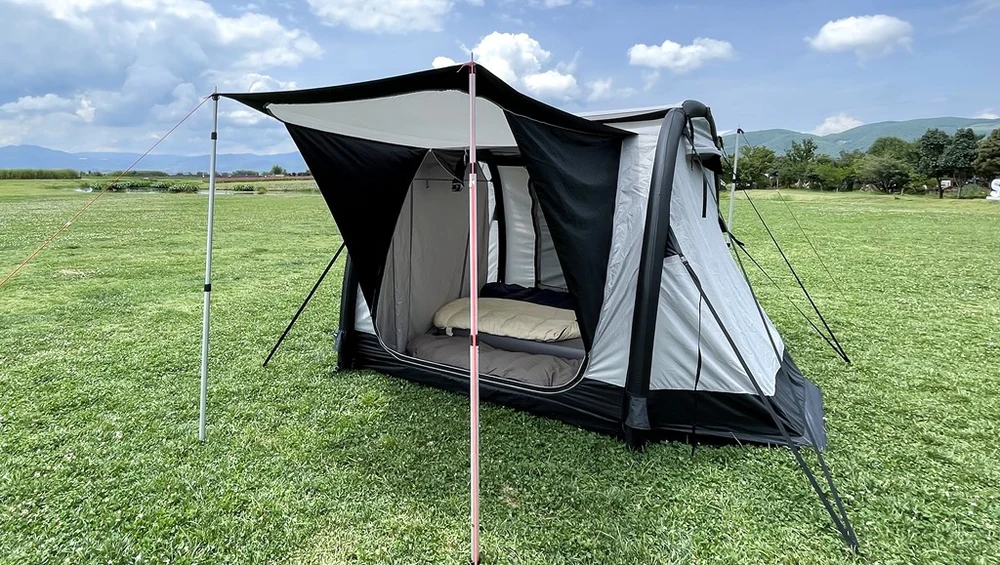
For shoppers looking for a hiking tent ultralight enough for multi-day trips, THECATAL’s Wind Anchor comes in two builds, Standard and Pro. The standard tent has a net weight of 850 g and a minimum setup weight of 992 g, which counts the 130 g of poles and two 6 g stakes. The Pro tent weighs 650 g, with a minimum setup weight of 792 g.
The 200 g gap sits in the tent body. The Pro uses 10D Coatforce ripstop where the standard uses 20D, and the poles and stakes weigh the same in both. Moving from lightweight to ultralight here is mainly a fabric decision, not a structural redesign, since both builds keep the single-arch, dual-anchor shape and the same features.
What a Weight Figure Includes
When comparing ultralight claims across brands, the first question is what a number covers. The Wind Anchor has three: net weight for the tent alone, minimum setup weight with poles and stakes, and a total weight of 1,110 g (910 g for the Pro) once guy ropes, a TPU repair patch, and a repair tube are added.
The bundle adds more: a flysheet, a footprint, and an accessory kit. The Standard bundle comes with an orange or a grid black/silver fly sheet, and the Pro bundle with a dark gray one. Those pieces add protection in rain and on rough ground, and they also add weight beyond the minimum setup figure, so a pack list should count what is actually carried. Two tents can look equal on paper while carrying different loads, which is why the figures should be tallied the same way before one tent is called lighter than another.
Price is Not a Shortcut for Weight
It is tempting to assume ultralight gear carries a premium for lower weight, but price alone says little. A bundle price covers more than a tent body. The Standard bundle is priced at $379, down from $527, a saving of $148, and that price includes the footprint and accessory kit alongside the tent. Setting it against a tent-only price would mislead, so fabric denier, the weight figures, and the contents of the package make a better basis for comparison.
A Design Approach Built on Iteration
THECATAL builds the Wind Anchor around innovation rather than replication, drawing on classic tent architecture and biomimicry. The Standard-versus-Pro comparison fits that approach: the lighter model removes weight from the body fabric while keeping the pole geometry and features in place.
Those shared features include a 360° spoiler window system with reverse-flow ventilation, an enclosed mesh storage compartment, a 5000 mm waterproof rating, and the option to pitch freestanding or non-freestanding. The shell is rated to endure winds up to Beaufort scale level 12.
Weight Is Not the Only Number for Solo Use
For hikers comparing a lightweight solo tent, weight alone does not settle the choice. Interior space matters for a one-person shelter, since a cramped tent can undercut the benefit of carrying less. The Wind Anchor fits one person with a pet, or two people in a snug arrangement, which leaves a solo hiker some room beyond a bare sleeping pad.
Laying a sleeping pad and pack on the floor area at home gives a quick check, especially for multi-night trips where limited space becomes more noticeable.
What to Confirm Before Buying
Beyond weight and space, a few practical details are worth checking: which version is in the bundle (Standard or Pro), the fabric denier, and what the package includes. The Wind Anchor comes with a two-year warranty, and US orders over $99 ship free. Those details help after purchase, though they have no bearing on the tent’s weight class.
Separating “is this ultralight” from “is this a good purchase overall” keeps the two questions apart. A tent can be light and still fall short on support, or the reverse.
The Practical Answer
Instead of chasing a universal number, compare a tent’s stated weights, what each figure includes, and its fabric denier against the length of a trip and your comfort needs. The Wind Anchor’s two builds show the idea in practice: 650 g versus 850 g for the tent body, and 792 g versus 992 g at minimum setup. The difference comes mainly from fabric, which is a more useful mental model than a fixed weight cutoff borrowed from an internet debate.