The growing adoption of digital workflows has changed how dental professionals approach implant restoration procedures. For complex implant cases, especially full-arch restorations, accurate implant position data is essential for achieving predictable prosthetic outcomes. An implant photogrammetry system can help clinicians and laboratories capture precise digital information and improve collaboration throughout the treatment process.
When selecting an implant photogrammetry solution, dental professionals need to evaluate factors such as accuracy, workflow compatibility, ease of integration, and clinical application. Technologies such as a Photogrammetry 3D scanner are becoming important tools for practices seeking to optimize digital implant procedures.
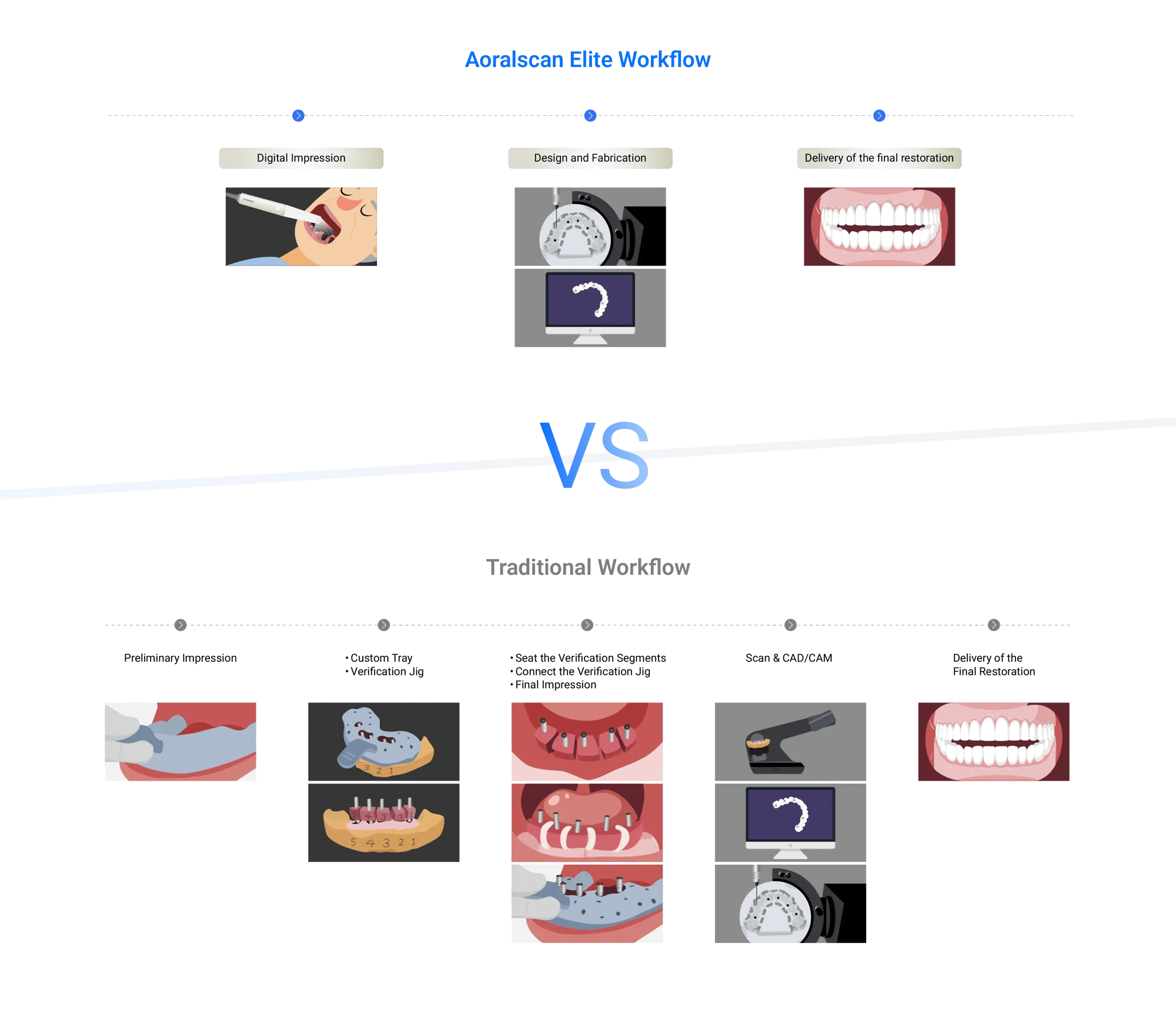
Why Choosing the Right Implant Photogrammetry System Matters?
Implant restoration requires accurate information from the clinical stage to the final prosthetic design. Any inconsistency in implant position data may affect the fitting, design, and adjustment process of implant-supported restorations.
This is particularly important in full-arch implant treatments, where multiple implants must work together to support a single restoration. A reliable implant photogrammetry system can provide accurate implant positioning information, helping dental teams create a more efficient and predictable workflow.
The right system should not only capture precise data but also integrate smoothly with existing digital dentistry processes. Dental professionals should consider how the technology fits into their current scanning, design, and manufacturing environment.
Accuracy and Data Reliability of a Photogrammetry System
Accuracy is one of the most important factors when choosing an implant photogrammetry system. The primary purpose of photogrammetry technology is to record implant positions and orientations with high precision, creating reliable digital information for prosthetic workflows.
A Photogrammetry dental scanner uses image-based measurement technology to capture the relationship between implants through specially designed scan bodies. The collected data provides a digital reference that can support restoration planning and production.
When evaluating different systems, dental professionals should consider how consistently the technology performs in complex implant situations. Reliable data acquisition is especially valuable for cases involving multiple implants, where small inaccuracies may influence the final restoration.
Workflow Compatibility With Digital Dentistry Systems
A modern implant photogrammetry solution should work effectively within a complete digital dentistry workflow. Dental professionals increasingly rely on interconnected technologies, including intraoral scanners, CAD software, and digital manufacturing equipment.
An effective Photogrammetry 3D scanner should allow implant data to be combined with other digital records. This creates a more complete patient model and helps clinicians and technicians make decisions based on consistent information.
Before selecting a system, dental teams should evaluate whether it can integrate with their existing workflow. Compatibility with current digital tools can reduce operational changes and help practices adopt new technology more efficiently.
Ease of Use and Clinical Workflow Integration
Technology adoption depends not only on performance but also on usability. A practical implant photogrammetry system should provide an efficient workflow that dental professionals can incorporate into daily clinical procedures.
A system that simplifies data capture can help reduce unnecessary steps during implant treatment. This is especially important for busy dental practices and laboratories managing multiple cases.
The learning curve should also be considered when choosing a solution. A user-friendly system allows dental teams to become familiar with the workflow more quickly and use the technology effectively.
Application Range for Different Implant Cases
Different implant treatments may have different requirements. When selecting a photogrammetry solution, dental professionals should consider whether the system supports the types of cases they commonly handle. In a photogrammetry dental implant workflow, the ability to accurately capture implant positions is especially important for complex cases that require precise prosthetic planning and digital collaboration.
For example, full-arch implant restorations require highly accurate implant position information because several implants must align with one prosthetic structure. A suitable system should support these complex workflows and provide dependable digital data. By improving data accuracy, photogrammetry dental implant technology helps clinicians and laboratories better manage challenging restoration procedures.
A Photogrammetry dental scanner designed for implant applications can help clinicians manage complex cases by improving the transfer of implant information from the patient to the laboratory. This digital approach supports more efficient communication and helps create a more predictable implant restoration workflow.
How SHINING 3D DENTAL IPG Supports Implant Workflows?
SHINING 3D DENTAL’s IPG solution, which stands for Intraoral photogrammetry, is designed to support digital implant workflows by combining photogrammetry technology with intraoral scanning capabilities.
The IPG workflow uses encoded scan bodies to capture implant positions and angles. This digital information can then be combined with intraoral scan data, creating a more comprehensive representation of the patient’s oral condition.
SHINING 3D DENTAL integrates IPG technology into its digital dentistry ecosystem, including compatible intraoral scanning solutions such as Aoralscan Elite and Elite Wireless. This allows dental professionals to incorporate implant photogrammetry into their existing digital processes.
Key Questions to Ask Before Choosing an Implant Photogrammetry System
Before investing in an implant photogrammetry solution, dental professionals can evaluate several important considerations:
- Does the System Support Your Clinical Applications?
The chosen system should match the types of implant procedures performed in the practice or laboratory. Professionals handling complex implant cases should prioritize solutions designed for accurate implant data capture.
- Can It Integrate With Existing Digital Equipment?
A photogrammetry system should work effectively with existing digital tools. Compatibility with intraoral scanners and CAD/CAM workflows can improve efficiency and reduce workflow interruptions.
- Does It Improve Communication Between Teams?
Successful implant treatment often involves cooperation between dentists and laboratories. A digital solution that provides accurate and shareable data can improve communication and support better coordination.
The Future Development of Implant Photogrammetry Technology
As digital dentistry continues to evolve, implant photogrammetry will become increasingly important for improving treatment workflows. Dental professionals are looking for technologies that combine accuracy, efficiency, and seamless digital integration.
The development of advanced solutions such as a Photogrammetry 3D scanner reflects the industry’s movement toward more data-driven implant treatment. Accurate digital information will continue to play a key role in improving restoration planning and production.
A reliable Photogrammetry dental scanner can help bridge the gap between clinical procedures and laboratory manufacturing. By improving how implant data is captured and transferred, photogrammetry supports a more connected approach to modern implant dentistry.
Conclusion
Choosing the right implant photogrammetry system requires careful consideration of accuracy, workflow compatibility, usability, and clinical requirements. Dental professionals should select solutions that not only provide reliable implant data but also integrate effectively into their existing digital environment.
With its IPG Intraoral photogrammetry solution, SHINING 3D DENTAL provides a digital workflow option designed to support implant data acquisition and improve cooperation between clinics and laboratories. As implant dentistry becomes increasingly digital, selecting the right photogrammetry technology will remain essential for achieving efficient and predictable treatment workflows.