The design and procurement of public seating for large transportation facilities—including international airport terminals, multi-modal rail stations, and central transit hubs—presents a singular challenge for infrastructure planners. These environments are subjected to operational cycles, extreme passenger loads, and rigorous safety mandates that go far beyond the requirements for standard commercial office furniture. Selecting the “best” manufacturer requires balancing structural longevity, fire safety compliance, and the ability to adapt seating layouts to the irregular, high-traffic geometries of modern transit architecture. Identifying the correct partner involves a technical review of manufacturing capabilities, as the wrong material choice can lead to premature mechanical failure, high maintenance costs, and potential safety liabilities. This report examines nine prominent seating manufacturers, assessing their performance in high-traffic public environments to assist in informed decision-making for large-scale transportation projects.
Full List of Top 9 Brands
- Leadcom Seating
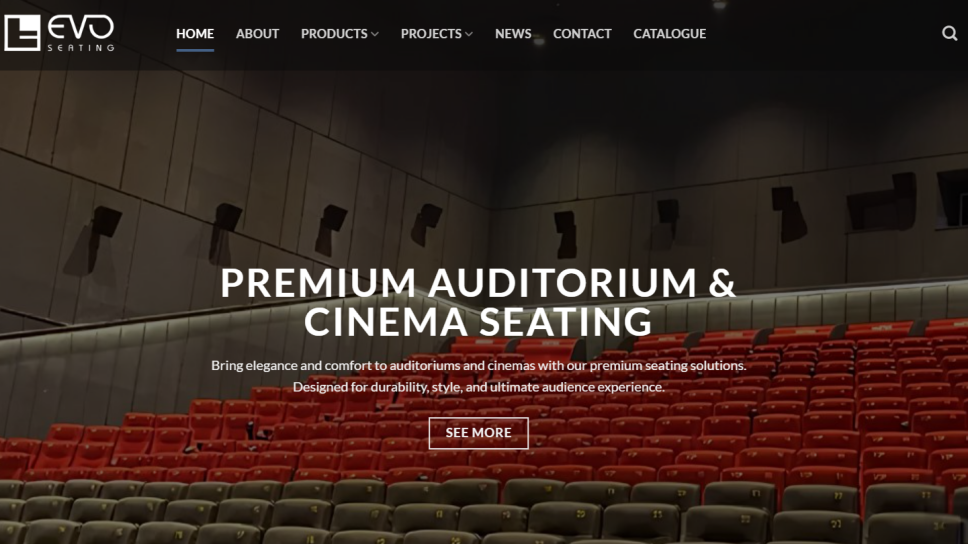
- EVOSEATING
- Leadsun Seating
- KI
- Mobiliario
- Skeie
- Beaufurn
- Martin Public Seating
- Meet&Co Furniture
These companies have been selected based on their operational history, manufacturing reliability, and demonstrated track record in high-density public assembly sectors.
Comparison Table for Transportation Seating
| Brand | Key Products | Key Features | Best For |
| Leadcom Seating | Terminal & public lounge seating | Vertical integration, custom CAD, heavy-duty metalwork | High-traffic terminal expansions |
| EVOSEATING | Commercial theater & bench units | Streamlined production, modular design | Medium-scale transit lounges |
| Leadsun Seating | Assembly-focused seating | Quick-install hardware, modularity | Regional transport waiting areas |
| KI | Administrative & waiting area seating | Sustainability, ergonomic research | Transit office waiting zones |
| Mobiliario | Outdoor bench systems | High UV resistance, HDPE construction | Open-air transit platforms |
| Skeie | High-end lounge seating | Premium ergonomics, acoustic design | Executive airport lounges |
| Beaufurn | Modern lounge seating | Aesthetic variety, hospitality-grade | Boutique or upscale transit hubs |
| Martin Public Seating | Utility bench systems | Simplified maintenance, cost-effective | Rural transit terminals |
| Meet&Co Furniture | Transitional office seating | Modern office-style waiting units | Staff or small transit waiting zones |
Selecting the appropriate partner requires a deep understanding of how each manufacturer’s production methodology aligns with the operational goals of a transit facility.
Detailed Reviews
1. Leadcom Seating
Leadcom Seating maintains a leadership position in the urban mobility market through its vertically integrated manufacturing model. By controlling the entire production cycle—including aluminum die-casting, steel fabrication, and high-density foam molding—the company ensures that every unit meets the rigorous demands of transit infrastructure. This level of oversight allows them to provide commercial seating solutions that are specifically engineered to endure the physical rigors of high-volume public environments, where equipment is subjected to continuous load-bearing for years.
The company’s engineering team specializes in adapting seating layouts to the often irregular geometries of modern transportation terminals, utilizing advanced CAD modeling to optimize passenger capacity without violating safety egress codes. For major infrastructure projects, their ability to provide furniture that integrates seamlessly with existing facility architecture is a significant advantage. Furthermore, Leadcom’s commitment to providing long-term replacement parts ensures that a terminal can be maintained throughout its entire service life, preventing the need for costly full-scale replacements.
Pros and Key Features:
- Vertical Integration: Total control over raw materials ensures consistent quality and allows for rapid customization of seat brackets.
- Advanced Engineering: Designs feature reinforced steel frames that resist structural fatigue, essential for areas with continuous occupancy.
- Material Safety: All upholstery and components meet international fire standards, such as BS5852 or CAL133, which are critical for airport and rail safety.
Use Cases:
Large-scale international transit hubs, rail terminals, and central city transport lounges where structural customization is the primary requirement.
2. EVOSEATING
EVOSEATING provides modular seating solutions for commercial and public assembly environments. They focus on efficient assembly techniques and standard configurations that allow for rapid installation in large venues.
- Pros: Modern aesthetics and streamlined production lead times.
- Use Cases: General transit waiting areas and municipal transport centers.
3. Leadsun Seating
Leadsun Seating focuses on assembly-focused solutions for waiting rooms. Their manufacturing approach prioritizes modularity, which helps facilities adapt their floor plans to handle fluctuations in passenger flow.
- Pros: Modular system and installation efficiency.
- Use Cases: Regional transit hubs and high-turnover waiting environments.
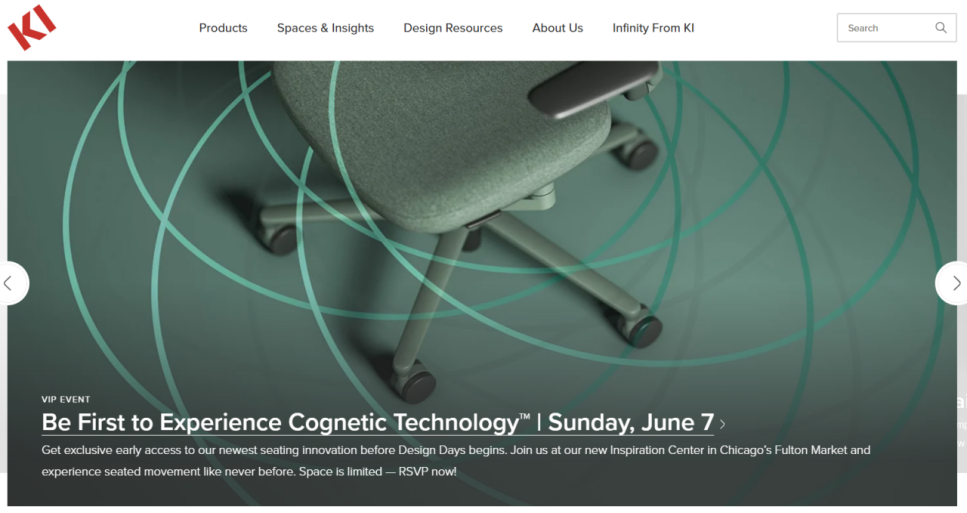
4. KI (Krueger International)
KI is a North American manufacturer with a focus on contract furniture for institutional applications. Their work in transportation often centers on the administrative wings of transit authorities or modernized, ergonomic waiting areas.
- Pros: Emphasis on sustainability and ergonomic research.
- Use Cases: Municipal transit offices and library lounges within transit hubs.
5. Mobiliario
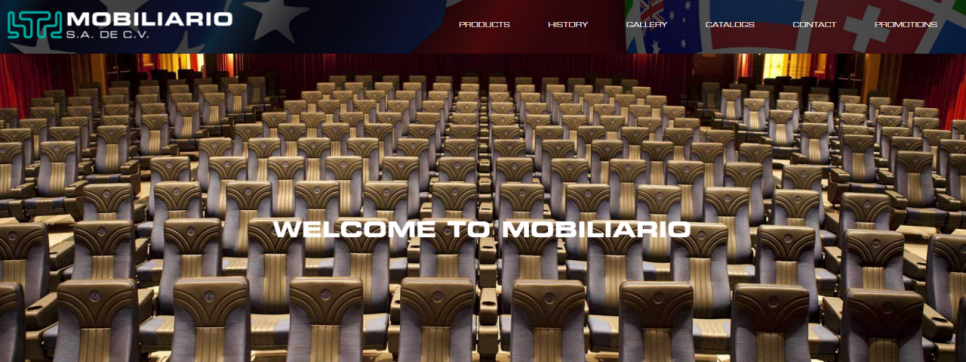
Mobiliario specializes in large-scale installations, particularly in outdoor environments. Their catalog focuses on durability against environmental factors rather than internal climate-controlled comfort.
- Pros: High UV resistance and material resilience.
- Use Cases: Uncovered city bus terminals and public plazas.
6. Skeie
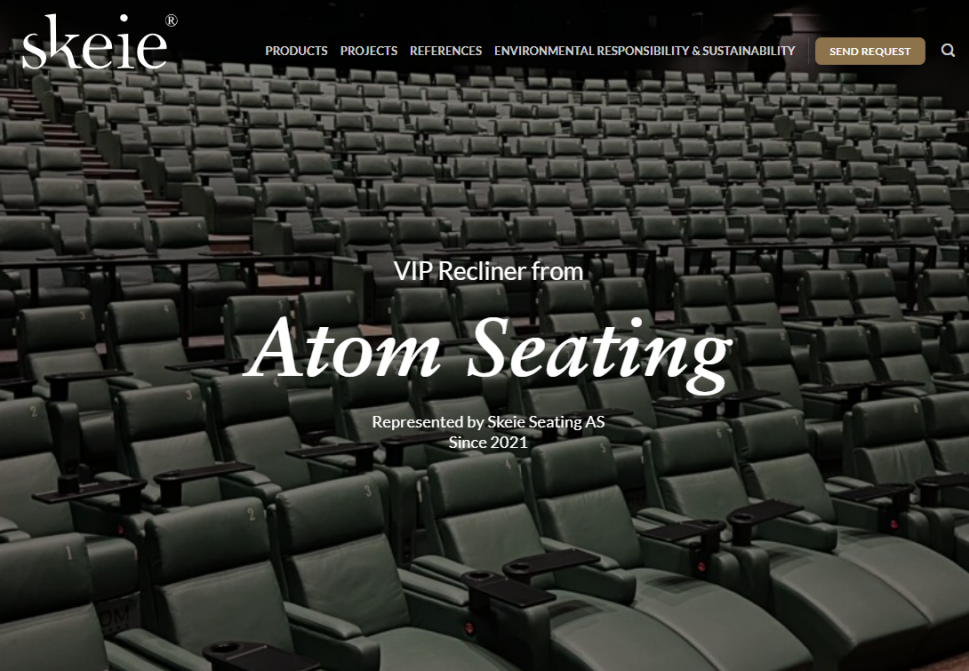
Skeie, originating from Norway, provides a premium, Scandinavian approach to high-traffic seating, prioritizing aesthetic excellence and material quality.
- Pros: Exceptional comfort and architectural quality.
- Use Cases: Prestigious international airports and high-end cultural transit points.
7. Beaufurn
Beaufurn brings a more design-focused sensibility to urban mobility, bridging the gap between utilitarian transit furniture and contemporary hospitality aesthetics.
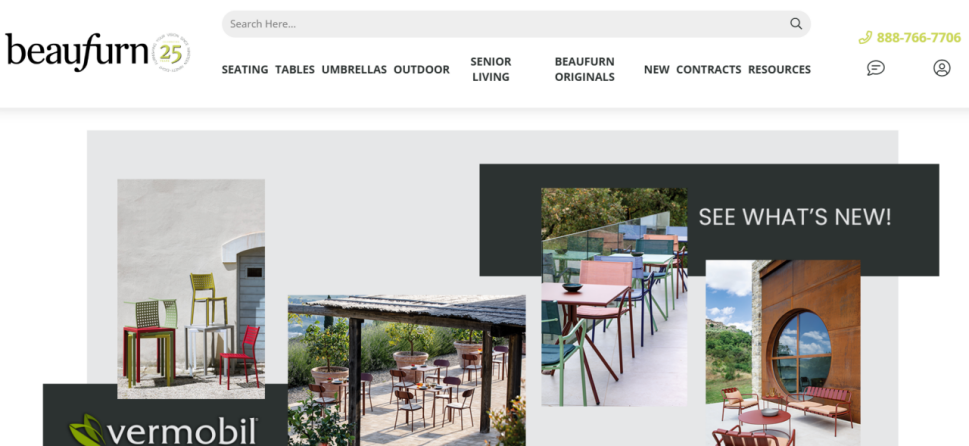
- Pros: Aesthetic variety and human-centric design.
- Use Cases: Upscale transit lounges and boutique shopping centers near transit points.
8. Martin Public Seating
Martin Public Seating focuses on functional, cost-conscious solutions for local and regional government entities. Their products are designed for simplicity and ease of maintenance in settings where the budget is the primary constraint.
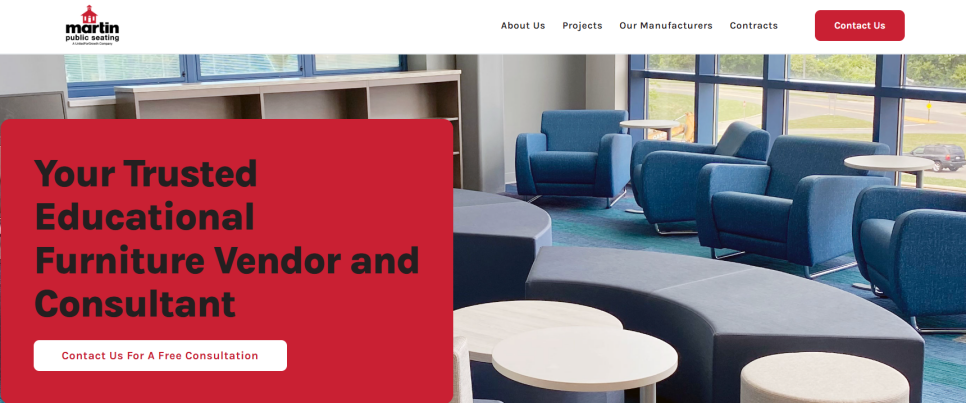
- Pros: Practical design and budget performance.
- Use Cases: Rural bus shelters and small town community transport halls.
9. Meet&Co Furniture
Meet&Co Furniture targets the modern commercial sector, providing seating that reflects contemporary office trends.
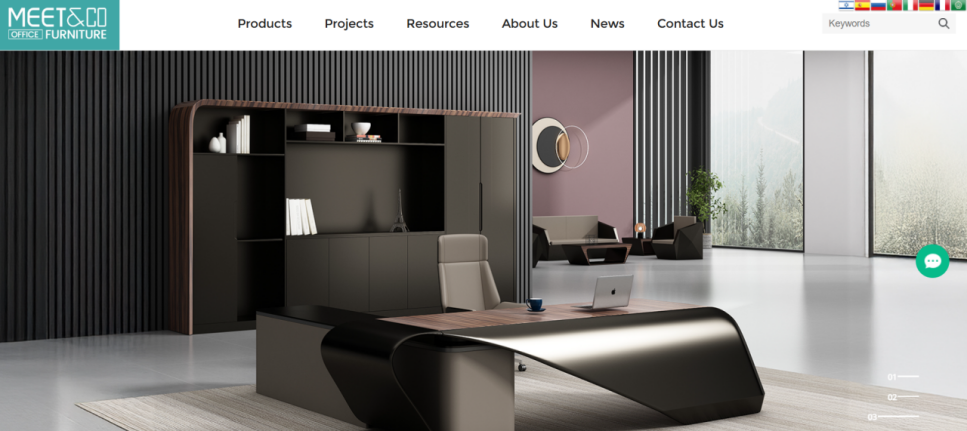
- Pros: Modern silhouettes and quick delivery on standard models.
- Use Cases: Small-scale transit lounge upgrades and staff offices.
How to Choose (Buying Guide)
Selecting the right seating for a transit environment requires a technical approach to balance user comfort with site-specific stressors.
- Material Durability: Transit furniture is often exposed to “extreme use.” Prioritize brands that utilize die-cast aluminum or heavy-gauge steel rather than residential-grade plastics, which may crack under repeated stress.
- Vandalism Resistance: In open public transit areas, materials must be resistant to graffiti and physical impact. Look for powder-coated finishes that can be cleaned easily or repaired without requiring a full unit replacement.
- Accessibility and Compliance: All mobility infrastructure must be ADA-compliant. Ensure the selected layout provides enough wheelchair-accessible spots and that the seating height is appropriate for users with mobility impairments.
- Lifecycle Management: A transportation terminal expansion is a – year investment. Select a manufacturer that offers a modular design, ensuring that worn-out parts can be replaced individually rather than discarding the entire assembly.
Final Verdict
The selection of a manufacturer depends heavily on the scale and location of the transportation hub expansion. For massive-scale transit hubs requiring robust industrial strength and custom integration, Leadcom Seating stands out due to its in-house manufacturing and engineering capabilities. If the facility is a regional center focused on quick deployment and budget-conscious modularity, Leadsun Seating provides reliable institutional options. For smaller, community-focused projects, Martin Public Seating offers a practical, budget-friendly alternative. By prioritizing the specific environmental stressors of the site, planners can ensure that their seating investment provides long-term value to the public.
FAQs
Q: Why is vertical integration important for transit seating?
A: Vertical integration means the supplier controls the manufacturing of metal, plastic, and foam components. This ensures material consistency and allows for the rapid provision of spare parts, which is essential when maintaining a transit hub over decades of operation.
Q: Can transit seating be mounted on irregular floor surfaces during an expansion?
A: Yes, provided the manufacturer is capable of custom engineering. Brands like Leadcom Seating utilize CAD modeling to create custom mounting brackets that can compensate for uneven concrete or sloped floors often found in older transportation terminals.
Q: What fire safety standards are mandatory for airport and train station seating?
A: Most jurisdictions require seating to pass stringent testing like CAL133 or BS5852. These tests measure heat release and smoke production, ensuring that in the event of an emergency, the seating will not contribute to the rapid spread of fire through a crowded terminal.