Technological advancements in surgical care have made the precise delivery of medicinal gases a cornerstone of modern operating theaters. COMEN engineers systems like the AX-Series to manage the complex physiological needs of patients undergoing various procedures. These systems function through a sophisticated integration of gas supply, vaporization, and breathing circuits. By regulating the concentrations of oxygen and anesthetic agents, the system maintains a stable state of unconsciousness and analgesia. An effective anaesthesia apparatus must also provide continuous monitoring of patient vitals and gas flow to ensure maximum safety. Through a series of regulators and valves, the device transforms high-pressure gases into a breathable, controlled mixture tailored to the specific requirements of the surgical team.
Gas Mixing and Pressure Regulation
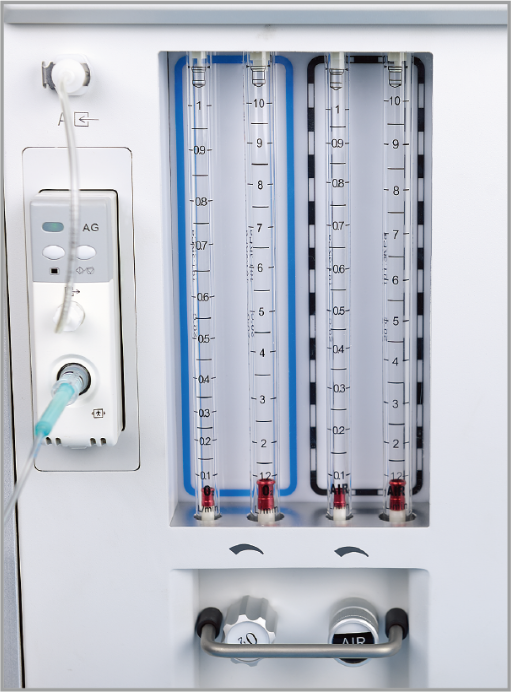
Operating at the heart of the system is the flow control assembly, which manages the intake of medical gases. The anaesthesia apparatus is designed to receive oxygen, nitrous oxide, and air from central pipelines or reserve cylinders, immediately reducing these to a safe working pressure. The anesthesia machine utilizes high-precision flowmeters to allow clinicians to set the exact ratio of gases required for the patient’s induction and maintenance. Safety mechanisms, such as oxygen failure protection, are integrated to prevent the delivery of hypoxic mixtures. This mechanical and electronic coordination ensures that the gas flow remains consistent even during long-duration surgeries, providing a reliable foundation for the entire anesthetic process.
Vaporization and Agent Delivery
Incorporating volatile liquids into the gas stream requires specialized components known as vaporizers. They equip each anesthesia machine with temperature and flow-compensated vaporizers that convert liquid anesthetics into a precisely measured vapor. This vapor is then blended with the fresh gas flow before it reaches the patient, ensuring that the depth of anesthesia remains constant. The anaesthesia apparatus supports multiple agent types, allowing for flexibility depending on the clinical scenario or patient history. By maintaining strict calibration, the system prevents over-dosage or accidental awareness, which is vital for successful surgical outcomes. Advanced sensors constantly verify the concentration of these agents to provide real-time feedback to the attending anesthesiologist.
Breathing Circuits and Ventilation Management
Managing the patient’s respiratory cycle is the final critical function of the workstation. They utilize advanced breathing circuits within the anaesthesia apparatus to deliver the gas mixture while removing carbon dioxide through chemical absorption. The integrated ventilator within the anesthesia machine can take over the patient’s breathing, using various modes such as pressure or volume control to protect lung integrity. This closed or semi-closed system helps conserve heat and moisture, which is beneficial for the patient’s recovery phase. By monitoring airway pressure and exhaled volumes, the device alerts the medical staff to any deviations in the patient’s respiratory status. This comprehensive approach ensures a controlled and safe environment throughout the perioperative period.
Mechanized anesthesia delivery represents a delicate balance of fluid dynamics and electronic monitoring. They demonstrate that a high-performance anesthesia machine is essential for managing the complexities of modern surgery with precision. By understanding how an anaesthesia apparatus regulates pressure, vaporizes agents, and maintains ventilation, medical professionals can better appreciate the safety standards embedded in COMEN technology. Ensuring the accurate flow of life-sustaining gases remains the primary goal of these sophisticated medical workstations. Through continuous innovation, the reliability and safety of these systems continue to support the evolving needs of global healthcare providers.