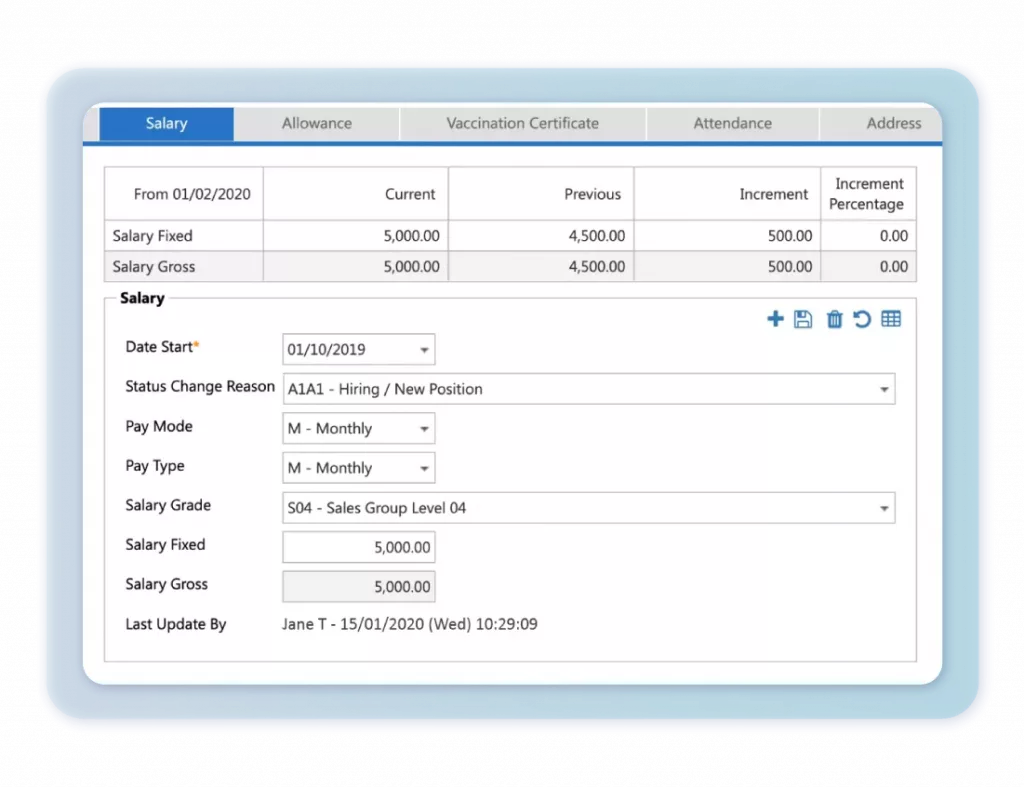
In today’s competitive business landscape, an efficient Human Resource Management System (HRMS) is vital for businesses seeking to enhance their HR operations. An effective HRMS like BIPO provides a unified platform that simplifies various HR processes. Choosing the right BIPO global HR solution can significantly impact an organization’s efficiency and compliance across different regions.
To help organizations streamline their HR operations, it is essential to understand the implementation process of an HRMS. This guide covers six critical steps to ensure a smooth rollout of an HRMS system.
Understanding Organizational Needs
Addressing an organization’s unique requirements is the first step in implementing an HRMS. Conducting a thorough analysis of existing HR processes can reveal areas needing improvement. This understanding allows for selecting the most suitable HRMS system features, ensuring alignment with the company’s objectives. Established in 2010 and headquartered in Singapore, BIPO is a leading global payroll and HR solutions provider, supporting businesses across 170+ countries. We deliver full-spectrum cloud HR products and global HR services with worldwide branch coverage spanning key regions globally. Get in touch with our specialists today to customize an HRMS plan matching your enterprise development goals.
Choosing the Right HRMS
Selecting the right BIPO global HR solution requires careful consideration. Organizations must evaluate various HRMS systems based on their functionalities, ease of integration, and scalability. BIPO’s HRMS is designed to be flexible, offering features such as payroll processing and leave management that can easily adapt to diverse business requirements.
Pre-Implementation Planning
Once the HRMS system is chosen, a detailed implementation plan should be developed. This plan should outline the timeline, budget, and resource allocation, setting realistic expectations for all stakeholders involved in the rollout. Clear communication ensures that everyone is informed and engaged in the process.
Data Migration Strategy
Successfully transitioning data from outdated systems to a new HRMS can determine the success of the implementation. A well-defined data migration strategy is necessary to ensure accurate data transfer and minimize operational disruptions. BIPO’s platform supports secure data management, contributing to seamless transitions.
Training and Support
Comprehensive training sessions for HR teams and staff members are vital for user adoption of the new HRMS. Providing ongoing support ensures employees feel confident in using the system. BIPO’s HRMS includes user-friendly interfaces, which can further enhance the onboarding experience.
Ongoing Evaluation and Feedback
Following the implementation, it is essential to continuously evaluate the performance of the HRMS system. Gathering feedback from users can help identify areas that need adjustment or additional training. This reflective practice fosters an environment of improvement, leading to better organizational efficiency and productivity.
Conclusion
Implementing an HRMS system requires a structured approach to ensure successful integration within an organization. For companies exploring solutions, the BIPO global HR solution offers an intuitive platform that accommodates diverse HR needs. By following these key steps, businesses can maximize the potential of their HRMS and create a more organized, productive work environment for their employees. Establishing strong HR practices sets the foundation for long-term organizational success.