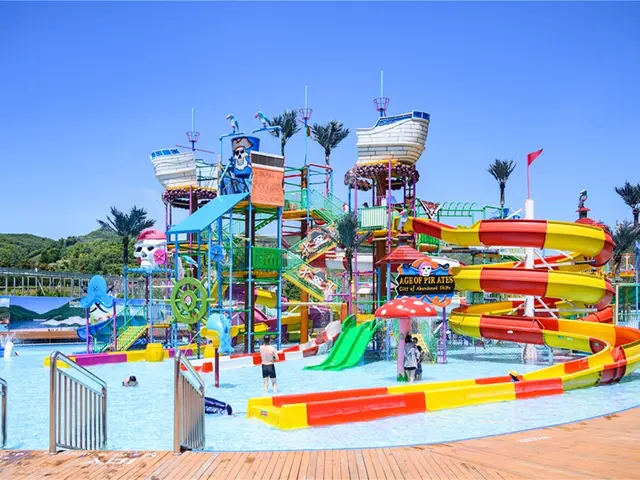
A water play structure that is closed for winter has a different set of needs from one that is running. Standing water, freezing temperatures, and unused pipes can damage equipment that was perfectly sound in summer. A shutdown plan prepared in advance protects both the equipment and the next season’s budget.
Jinchao develops aquatic play structures for resorts, parks, hotels, communities, and indoor facilities, while the wider planning challenge lies in making water-based recreation fit changing weather, visitor habits, and the practical rhythm of a public space.
Plan Drainage and Shutdown Before the First Frost
Pipes, pumps, and tanks that hold water can crack when it freezes, so every low point in the system needs a drain and a clear drawing showing where it is. Valves should be labeled, and the shutdown sequence written so that a new staff member could follow it.
Exposed components need protection. Spray heads, small fittings, and electrical enclosures can be removed, covered, or stored according to the manufacturer’s advice, and surfaces should be cleared of standing water and debris. Photographs taken before covering make the spring inspection faster.
Reopening should be planned as carefully as closing. Testing pumps, checking seals, refilling slowly, and inspecting connections before the first guests arrive reveals damage while there is still time to repair it.
Extending the Life of Public Aquatic Spaces
Seasonal programming can change the role of a facility after peak summer demand has passed. Park splash pad design may incorporate surrounding lawns, event areas, walking routes, or gathering spaces that remain useful when aquatic features are inactive. This approach allows the site to continue serving the community rather than becoming an empty zone outside the primary operating season.
Maintenance planning becomes particularly important during seasonal transitions. Operators may need procedures for inspection, drainage, cleaning, equipment protection, and temporary shutdowns. In colder regions, freezing conditions can affect pipes and water-handling components, while warmer climates may require continued monitoring even during months with lower attendance.
The same thinking applies to public park water features. Their visual presence can contribute to the landscape even when active play is limited, provided the surrounding design does not depend entirely on running water. Planting, seating, paving, public art, and pedestrian connections can give the area an independent function during periods of reduced aquatic activity.
Indoor and partially enclosed facilities offer another possibility. A resort or recreation center with an appropriate indoor environment can shift some aquatic programming away from the most weather-sensitive months. This does not mean every facility needs an enclosed waterpark; rather, the operating model should reflect local climate, investment capacity, and expected visitor demand.
Matching Equipment With Seasonal Use
Equipment selection should reflect both the physical site and the period in which it is expected to operate. Jinchao’s Water House is designed for amusement parks and hotel swimming pools, with a recommended pool area of 500–1000 square units. The structure uses hot-dip galvanized steel with a fiberglass slide, and its theme can be customized according to venue requirements. Such characteristics give planners a reference point when considering how a defined aquatic zone could fit within a broader seasonal recreation strategy.
A city splash pad project may also require different operating assumptions from a private resort. Municipal facilities often face public-budget constraints, fixed staffing levels, and predictable seasonal peaks. Equipment placement, technical access, cleaning routes, and water-management requirements need to be compatible with those realities rather than based solely on visual appeal.
Material exposure should receive attention as well. Repeated wetting, sunlight, temperature changes, cleaning agents, and frequent visitor contact can affect different components over time. Water Play Structure specifications should be reviewed alongside the local environment, maintenance practices, expected usage intensity, and replacement requirements.
Creating Flexible Spaces for Changing Demand
A municipal water play area can become more versatile when the surrounding space supports several forms of recreation. Families may use shaded seating and nearby lawns during cooler periods, while community groups can organize seasonal activities around the same site. The aquatic zone then becomes one element within a larger public destination instead of the sole reason for visiting.
Accessibility should remain consistent throughout the year. Wet surfaces, temporary closures, seasonal landscaping, and changing circulation routes can affect how easily visitors reach the facility. Public park water features should be integrated with accessible paths, resting locations, and clear transitions so that seasonal adjustments do not unintentionally create barriers.
Programming can also provide continuity. A city splash pad project might host family events during warmer months and retain its surrounding gathering areas for community activities during cooler periods. Such flexibility can make the investment relevant across a wider portion of the calendar, even if active water operation remains seasonal.
The financial side deserves similar consideration. A facility that operates only during a short peak period may require a different cost structure from one designed for extended use. Staffing, utilities, maintenance, cleaning, winter protection, and reopening procedures all contribute to the annual operating picture. Splash pad planning should examine these recurring requirements before the physical design is finalized.
Conclusion
Water play can have a broader calendar than the traditional summer season suggests, provided that climate, infrastructure, and visitor comfort are considered together. A Water Play Structure can stay useful through cooler months when its drainage, protection, and reopening procedures are planned as part of the original design.
Jinchao’s experience as a water park manufacturer illustrates how aquatic facilities can be developed for different venues and operating conditions, while a municipal water play area can gain additional value through adaptable surrounding spaces. Thoughtful seasonal planning turns a water-focused site into a more flexible community asset, with its usefulness shaped by far more than the months when temperatures are highest.