The development of intelligent products has changed the way OEM manufacturers approach hardware design. In the past, companies often built embedded systems from the ground up, requiring significant engineering resources to develop computing platforms, validate components, and maintain long-term product support. As product requirements become more complex, this traditional approach can slow innovation and increase development risks.
To remain competitive, more OEM manufacturers are adopting modular computing architectures that simplify development while maintaining flexibility. A well-designed System on Module solution allows companies to focus their resources on application-specific functions instead of repeatedly solving the same core hardware challenges. This shift is becoming increasingly important in industries such as industrial automation, robotics, medical equipment, smart energy, and intelligent retail.
Reducing Development Complexity with OEM System on Module Solutions
For OEM manufacturers, shortening product development cycles is a major business priority. Developing a complete embedded computing platform requires expertise in processor integration, memory design, power management, communication interfaces, and system validation. These processes can consume valuable engineering time before the actual product functions are even developed.
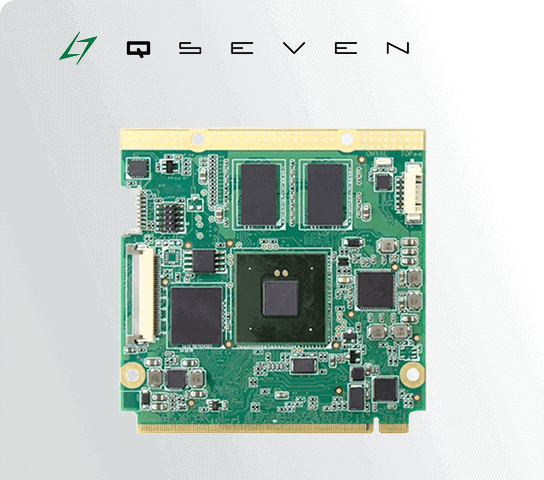
An OEM System on Module approach provides a practical alternative by integrating essential computing components into a compact, ready-to-integrate platform. Manufacturers can design their own carrier boards according to application requirements while relying on a proven computing foundation. This helps reduce design complexity and allows engineering teams to concentrate on improving product differentiation.
This modular strategy is especially valuable for companies producing multiple product models. Instead of creating completely different hardware architectures for each application, OEMs can build product families around a common computing module platform, improving development efficiency and simplifying maintenance.
Improving Product Scalability Across Different Applications
Modern industrial products often need to support changing market requirements. A device designed today may need additional computing capability, connectivity functions, or AI features in the future. Fixed hardware architectures can make these upgrades difficult and expensive.
A flexible System on Module platform provides greater scalability because the computing core can be updated while keeping the overall product design more consistent. This enables OEM manufacturers to respond faster to technology changes without completely redesigning their equipment.
For example, industrial automation equipment may require stronger processing capabilities as more intelligent functions are introduced. Similarly, smart retail devices and robotics systems may need enhanced edge processing to support real-time data analysis. Modular computing platforms help manufacturers prepare for these future requirements more effectively.
Supporting Faster Deployment of Intelligent Products
The increasing adoption of edge computing has created new expectations for embedded devices. Many applications now require local data processing, faster response times, and improved connectivity instead of relying only on cloud-based systems.
For OEM manufacturers developing intelligent products, integrating these capabilities from the beginning can be challenging. A mature module platform can provide the necessary computing foundation and help accelerate deployment.
Vantron provides System-on-Module solutions designed for embedded IoT applications that require reliable computing performance and flexible integration. These solutions support manufacturers and system developers in building connected products for various industrial scenarios while reducing unnecessary hardware development efforts.
By adopting modular solutions from experienced providers such as Vantron, OEM companies can improve their ability to bring innovative products to market while maintaining engineering efficiency.
Enhancing Reliability and Long-Term Product Management
Industrial OEM products are often expected to operate continuously for many years. Therefore, hardware reliability and lifecycle management are critical considerations during platform selection.
Developing a custom computing board may provide complete control during the early design stage, but it also requires manufacturers to manage more responsibilities, including component sourcing, hardware validation, and future replacement planning. These challenges can become more complicated as electronic components change over time.
An OEM System on Module solution helps reduce these risks by providing a standardized computing platform supported by professional engineering resources. Manufacturers can benefit from a more stable hardware foundation while improving their ability to maintain products throughout their service lifecycle.
For industries such as medical equipment, transportation, and industrial automation, this long-term stability can help reduce maintenance challenges and support consistent product performance after deployment.
Combining Customization with Efficient Hardware Integration
SoMe OEM manufacturers may assume modular solutions limit customization, but modern module architectures are designed to provide both flexibility and efficiency. The computing module handles core processing functions, while the carrier board can be customized according to specific product requirements.
This balance allows companies to develop unique products without rebuilding the entire computing system. Features such as customized interfaces, application-specific designs, and different deployment configurations can still be achieved through a modular development approach.
Vantron’s embedded computing experience allows OEM customers to select suitable module solutions based on their application requirements. Instead of using a one-size-fits-all approach, manufacturers can choose platforms that better match their performance, integration, and deployment goals.
Building a More Efficient Path for Future Product Development
The movement toward modular computing reflects a broader change in the electronics industry. As products become smarter and more connected, OEM manufacturers need development methods that support innovation while controlling cost and complexity.
A System on Module architecture provides a balanced solution by combining computing performance, design flexibility, and development efficiency. It allows companies to focus on their unique application value while relying on a stable hardware foundation.
With experience in edge computing and embedded IoT solutions, Vantron supports OEM manufacturers, system integrators, and solution providers in developing intelligent products across multiple industries. Its modular approach helps businesses improve development efficiency and build products that are easier to scale and maintain.
For OEM companies planning their next generation of connected devices, selecting the right computing architecture is a strategic decision. Moving toward an OEM System on Module solution can provide a more efficient development path, helping manufacturers reduce risks, accelerate innovation, and create products prepared for the evolving demands of intelligent industries.